

 28
Building Strong Foundations in Literacy through Early Reading Assessment
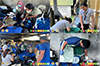
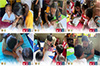
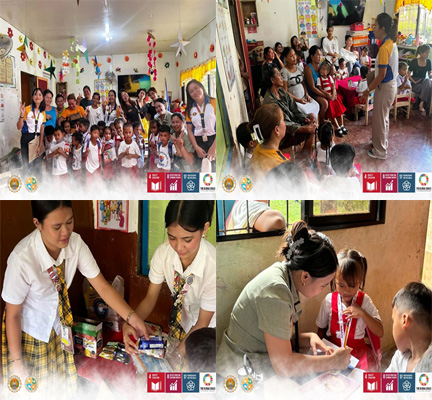
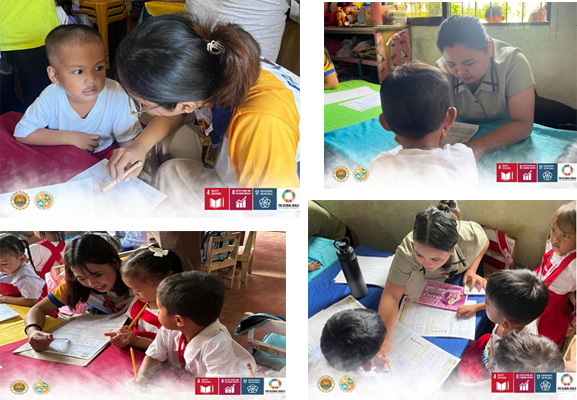
Misamis University Basic Education Grade School Department conducted an early reading assessment last October 27, 2026, at Hinagdong Day Care Center, Tabid, Ozamiz City. The activity organized by Extension Coordinator Honey Lou Rebucas, LSC Grade School Adviser Ma. Viña Athena Ginatilan, Basic Education Secretary Rose Aida Bodiongan, and Basic Education Faculty Aubrey Rachel Dagpin included 4 grade-school students in partnership with Daycare Worker Ms. Rebecca Malalis.
The assessment evaluates the beginning of essential reading skills through seven key areas: letter recognition, letter sounds, beginning sounds, reading simple consonant-vowel-consonant words, reading simple phrases, reading simple sentences, and reading comprehension. The activity helps teachers understand each child's reading level, track progress in developing foundational literacy skills, observe learners' strengths, identify difficulties, and recommend appropriate follow-up activities based on individual learning needs. The assessment includes a scoring guide and performance descriptors to help teachers interpret results and identify whether learners demonstrate consistent, developing, or beginning reading skills. Teachers’ remarks provide space to document observed strengths, skills needing support, and recommended learning activities.
Early reading assessment is more than measuring performance. It also emphasizes the importance of teachers being responsive and supportive. When teachers spot learning needs early, they can offer focused reading exercises, interactive activities, and real chances for children to practice their skills and build confidence. The MU Basic Education Grade School Department will use the assessment results to develop reading modules for the pupils of Hinagdong Day Care Center.
As children move through Kindergarten, teachers, parents, and the whole school community work together to build strong literacy skills. With the right support, encouragement, and regular reading practice, children can read independently.
The initiatives supports the United Nations Sustainable Development Goals (SDGs): SDG 4 (Quality Education), SDG 8 (Decent Work and Economic Growth), & SDG 17 (Partnerships for the Goal).

Announcement
|
|
|
Photo Gallery
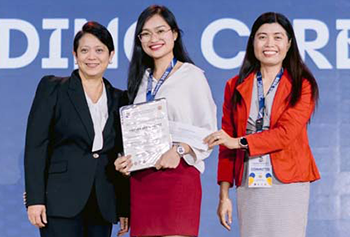 International Conference on Social Sciences 2026 |
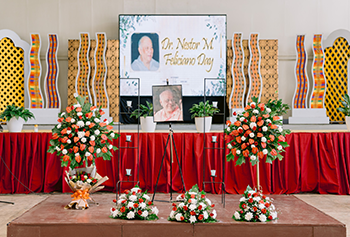 DR. NESTOR M. FELICIANO DAY |
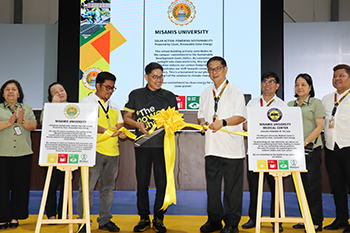 Turnover of solar energy management from WEGEN to MU |
Videos

|

|

|