 Dr. Lloyd Ranises
 November 11, 2026 8:59 A.M.
 31
Misamis University Measures Campus Food Waste to Advance Sustainable Food Resource Management
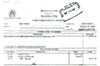
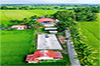
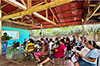
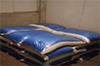
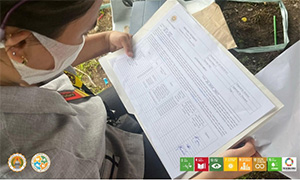
Misamis University conducted a Waste Analysis and Characterization Study (WACS) from August 24–30, 2026, across its seven-hectare main campus to establish a baseline for campus waste generation and identify opportunities to improve food and waste management. The seven- day assessment involved the collection, segregation, and weighing of waste by the University's sanitary aides, with results documented by the University Pollution Control Officer. The study serves an institutional population of approximately 9,010 individuals, including students, faculty, staff, and other members of the University community. Through this initiative, the University strengthens its evidence-based approach to environmental management and responsible resource use.
The assessment recorded 2,133.85 kilograms of solid waste, comprising 897.31 kg of biodegradable waste, 619.56 kg of residual waste, 562.83 kg of recyclables, 50.29 kg of special waste, and 3.86 kg of bulky waste. Of the total, 322.45 kg consisted of food scraps from the University canteen, equivalent to approximately 15.1% of all waste recorded during the assessment period. These scraps included food preparation waste, such as vegetable peelings, trimmings, and spoiled ingredients, as well as plate waste consisting of uneaten food and leftovers. The findings establish a measurable baseline for examining food-waste sources and identifying opportunities to improve food preparation, inventory management, portion planning, and waste segregation.
The WACS provides Misamis University with evidence to guide future campus food-waste prevention and resource- management initiatives. By examining food preparation waste separately from plate waste, the University can identify where improvements may be needed and develop appropriate measures to prevent avoidable food waste. The findings can also inform future monitoring of biodegradable materials and help assess whether subsequent interventions reduce waste generation over time. These efforts contribute to Sustainable Development Goal 2 (Zero Hunger) by supporting the broader objective of reducing food loss and waste, while directly aligning with SDG 12 (Responsible Consumption and Production) through waste prevention and more efficient resource use. The study also provides evidence that can support the review and strengthening of institutional environmental management policies.
Through the 2026 WACS, Misamis University has established a documented baseline that can guide future decisions on campus food waste and sustainable resource management. The results provide an opportunity to translate measurement into practical action through targeted prevention strategies, improved food-handling practices, and continued monitoring of waste generation. Subsequent assessments can help determine whether these measures lead to measurable reductions in food scraps and other waste streams. By using actual campus data to identify priorities and evaluate progress, Misamis University reinforces its commitment to responsible food resource management and a more sustainable campus community, while supporting the goals of Zero Hunger and Responsible Consumption and Production.

Announcement
|
|
|
Photo Gallery
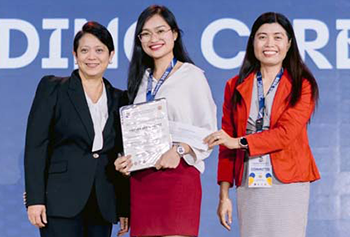 International Conference on Social Sciences 2026 |
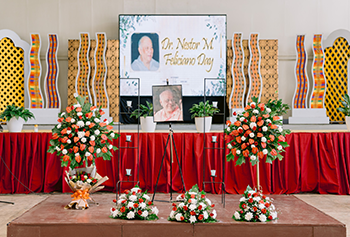 DR. NESTOR M. FELICIANO DAY |
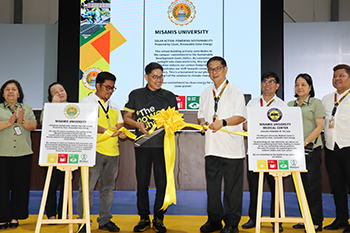 Turnover of solar energy management from WEGEN to MU |
Videos

|

|
|