 Misamis University Community Extension Program
 81
81
Misamis University Strengthens SDG 15 Commitment Through Comprehensive Environmental Policies
Misamis University has intensified its commitment to SDG 15: Life on Land by adopting comprehensive institutional policies that safeguard biodiversity, protect terrestrial ecosystems, and promote sustainable resource management across all academic and operational units. Beginning in 2023 and strengthened in 2024, MU implemented a series of high-impact directives that reinforce its role as a leading environmentally responsible institution in the region. These include policies on threatened species monitoring, invasive alien species control, ecosystem conservation and restoration, sustainable food sourcing, hazardous waste management, and plastic waste reduction. Collectively, these policies ensure that the University’s research, instruction, extension programs, and campus operations actively contribute to environmental protection and ecological sustainability.
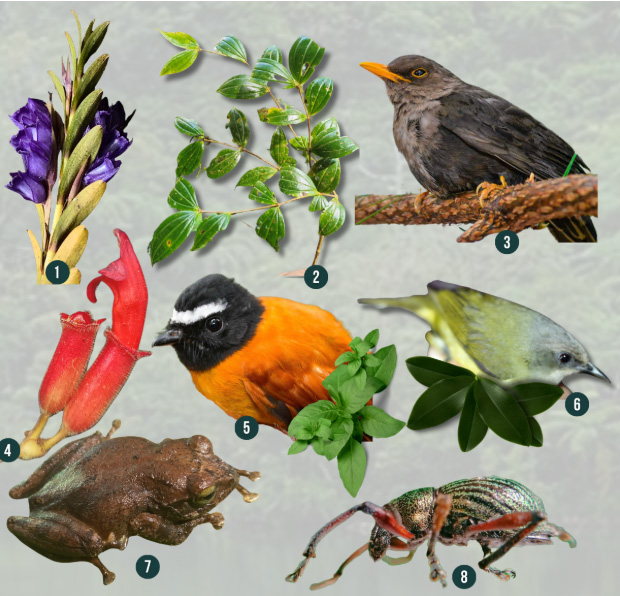
A key initiative is MU’s strengthened policy on identifying, monitoring, and protecting IUCN Red List and nationally threatened species, which requires all research and field activities to follow ethical low-impact protocols, maintain updated species documentation, and collaborate with DENR, LGUs, and PAMBs for long-term biodiversity monitoring. Complementing this is the Policy on Reducing the Impact of Invasive Alien Species, which mandates the use of native and non-invasive plants in campus landscaping, regular monitoring of invasive species presence, and intensive CEPA activities to build awareness among students and staff. MU likewise reinforces ecosystem protection through its Policy on Conservation, Restoration, and Sustainable Use of Terrestrial Ecosystems, promoting biodiversity-friendly practices, reforestation, habitat rehabilitation, and responsible use of land and water resources, all aligned with national environmental guidelines.
Further strengthening sustainability, Misamis University enforces the Campus Policy on Plastic Waste Management, which implements strict segregation, bans single-use plastics and styrofoam, and enhances recycling and composting programs. Through its Policy on Safe and Responsible Hazardous Waste Management, MU ensures the safe handling, storage, treatment, and disposal of chemical, biological, electronic, and laboratory wastes in compliance with RA 6969, RA 9003, and DENR-DOH standards. Additionally, the University promotes sustainable agriculture and food security through its Campus Food Sustainability Policy, ensuring that food consumed on campus is sourced from MU’s instructional farms practicing climate-smart, low-impact, biodiversity-friendly production methods. These integrated policies not only advance MU’s sustainability framework and SDG reporting but also establish the University as a model for responsible environmental governance and ecosystem protection in higher education.

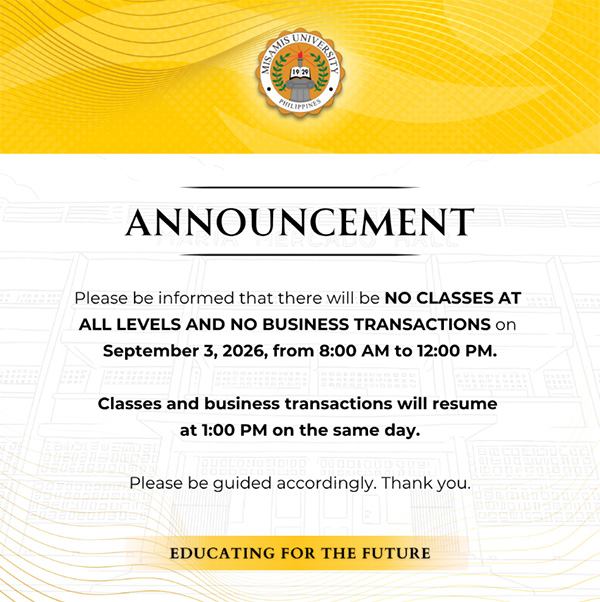
Announcement
|
|
|
Photo Gallery
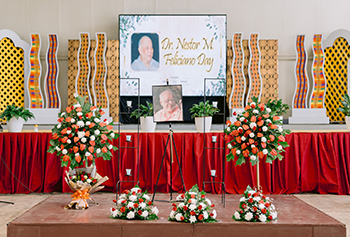 DR. NESTOR M. FELICIANO DAY
|
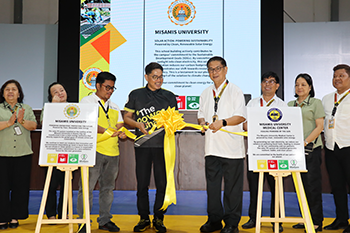 Turnover of solar energy management from WEGEN to MU
|
 MU Sinulog Celebration 2026
|
Videos

|

|

|