 Misamis University Community Extension Program
 1043
1043
MU’s Efforts in Maintaining a Local Ecosystem
Misamis University implements comprehensive, science-based, and community-centered initiatives to protect, conserve, and sustainably manage local aquatic ecosystems. Through strong institutional policies, long-term research and monitoring activities, and active collaboration with government agencies and communities, the University ensures that freshwater, coastal, and marine environments remain healthy, resilient, and well-managed.
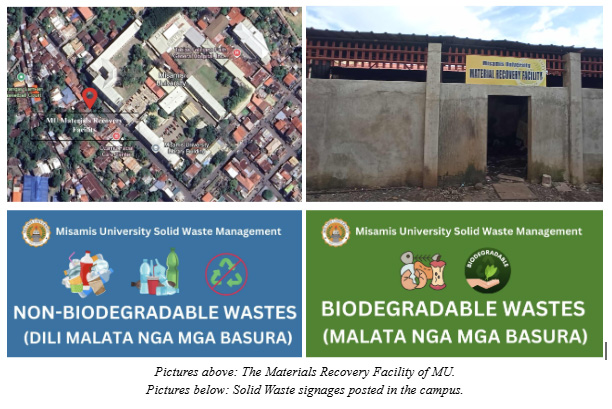
The University adopts environmental safeguards to prevent physical, chemical, and biological disturbances that could affect surrounding aquatic ecosystems. Its Environmental Management and Hazardous Waste Policies require strict segregation, proper labeling, secure storage, and scheduled disposal of chemical and biological wastes in full compliance with RA 9275 (Clean Water Act) and DENR-EMB regulations. Regular laboratory reviews further minimize the use of toxic chemicals, reducing the likelihood of accidental release into waterways. Solid waste management programs—including waste minimization, segregation, composting, operation of a Materials Recovery Facility, and a No Plastics/No Styrofoam policy—additionally prevent solid waste from polluting rivers and coastal areas. Emergency spill response protocols ensure pollutants are promptly contained, while continuous Communication, Education, and Public Awareness (CEPA) activities cultivate responsible environmental behavior across the campus community. Collectively, these institutional measures enable MU to operate sustainably and with minimal ecological impact.
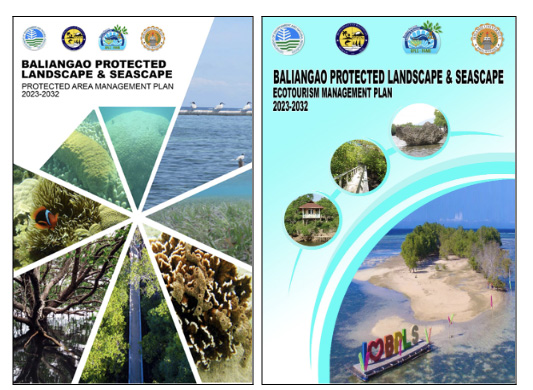
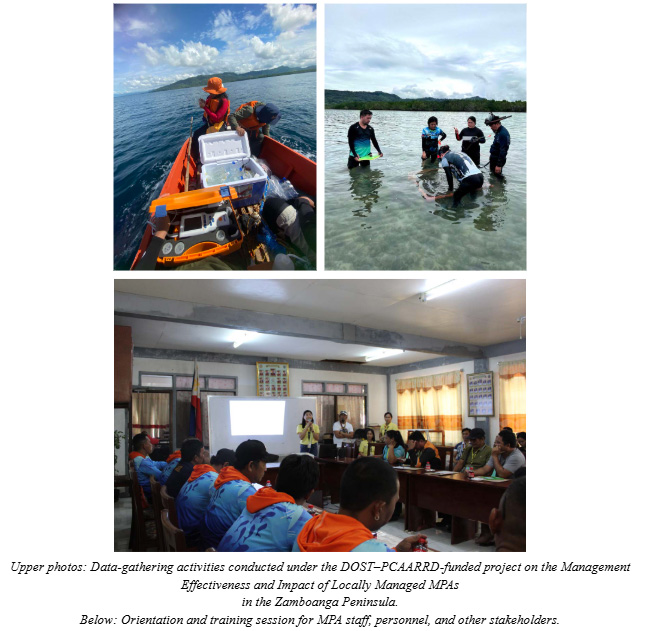
Complementing these safeguards, Misamis University plays a vital role in the long-term monitoring of water quality and aquatic biodiversity. As an active member of the Protected Area Management Board (PAMB) of the Baliangao Protected Landscape and Seascape (BPLS), the University participates in quarterly technical reviews and presentations that assess ecosystem health and inform management decisions. Through its Natural Science Department, MU supports the Protected Area Management Office in conducting water quality tests, biodiversity inventories, and habitat assessments. The University also carried out the Ozamiz City Coastal Resource Assessment, generating scientific studies on mangroves and coastal conditions that guide local policy-making. MU’s involvement in the DOST-PCAARRD project further strengthens regional conservation efforts by evaluating the management effectiveness and ecological impact of locally managed Marine Protected Areas (MPAs) in the Zamboanga Peninsula. Additionally, MU conducted a Management Effectiveness Assessment (MEA) in BPLS and facilitated the development of the BPLS Protected Area Management Plan and BPLS Ecotourism Management Plan, a key document outlining science-based strategies for the protection of mangroves, corals, seagrasses, mollusks, and fish populations.
Stewardship is also advanced through a combination of campus-based programs and extensive community engagement. The University’s active participation in environmental alliances such as BPLS-PAMB, the Iligan Bay Alliance in Misamis Occidental (IBAMO), and the Panguil Bay Development Council enables it to contribute scientific expertise to coastal and watershed management. MU implements the ESTERO Program in Ozamiz City, which involves environmental education sessions, cleanup activities, and community-based monitoring of waterways. The Sustainable Land Management Project in Baybay, Bonifacio further addresses upland issues that affect downstream aquatic ecosystems, integrating soil conservation, reforestation, and community involvement. On campus, stewardship is embedded in daily operations through solid and hazardous waste management, the No Plastics/No Styrofoam policy, and ongoing CEPA initiatives. MU also supported the Labo Watershed Management Plan by conducting tree and habitat assessments in Ozamiz and Clarin, informing reforestation and watershed rehabilitation efforts that protect water sources and coastal ecosystems.
Strong collaboration with local communities is central to MU’s approach to ecosystem conservation. Through its membership in BPLS-PAMB, IBAMO, and the Panguil Bay Development Council, the University works closely with local government units, people’s organizations, and fisherfolk associations to implement water quality monitoring, biodiversity surveys, and habitat restoration programs. The ESTERO Program and the Sustainable Land Management Project engage residents in cleanup drives, ecological education, and community monitoring, fostering shared accountability for environmental protection. MU’s research projects, including the Ozamiz City Coastal Resource Assessment and contributions to the DOST-PCAARRD MPA initiative, further strengthen community participation and local governance by involving volunteers and stakeholders in evidence-based marine resource management.
All these efforts are anchored in conservation strategies that recognize and respond to the ecological diversity of aquatic ecosystems. As a key technical partner within BPLS-PAMB, MU provides scientific data essential for managing diverse habitats—from mangroves and coral reefs to seagrass beds and fish populations. Its leadership in formulating the BPLS Protected Area Management Plan ensured that conservation strategies were grounded in biodiversity assessments and MEA findings. MU’s involvement in the Labo Watershed Management Plan and its contributions within IBAMO likewise ensure that watershed, coastal, and marine management plans reflect the unique ecological characteristics of each environment. These science-based and ecosystem-specific strategies ensure that conservation interventions remain adaptive, context-sensitive, and aligned with long-term sustainability goals.

Announcement

|

|
|
Photo Gallery
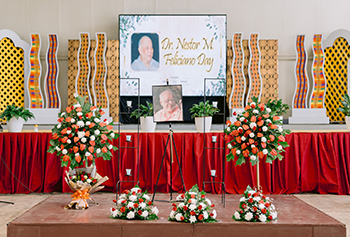 DR. NESTOR M. FELICIANO DAY
|
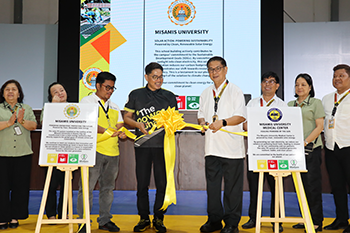 Turnover of solar energy management from WEGEN to MU
|
 MU Sinulog Celebration 2026
|
Videos

|

|

|