 Jersam Calago/ Caryl Trisha Yapac - MUCEP
 December 18, 2025 8:50 A.M.
 78
78
Practical Applications of the Kratky & Hydroponics Method: Empowering Women and Fisherfolk of Barra through Home Gardening
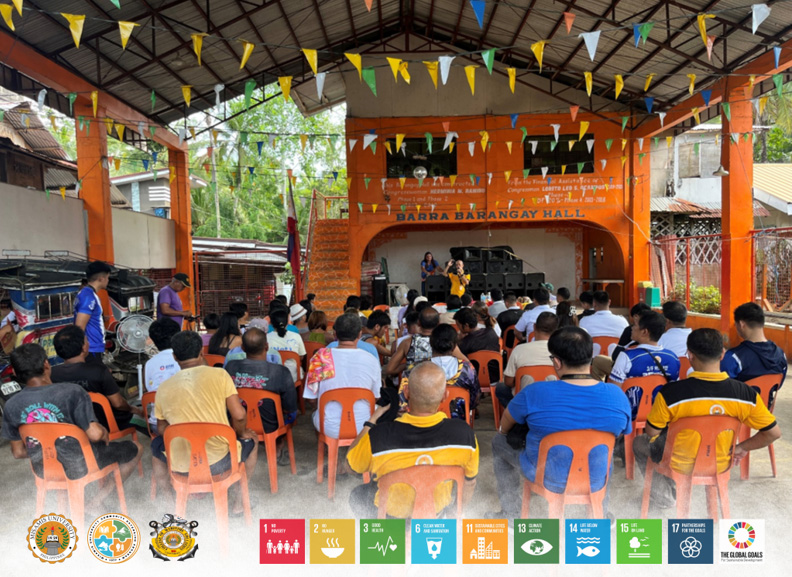
On May 5, 2025 and October 25, 2025, the BS Marine Transportation and BS Marine Engineering programs of the College of Maritime Education (CME) spearheaded the series of livelihood training as a component of the CORRAL Program. The college facilitated a hands-on training on the Kratky and Hydroponics Methods for home gardening in Barangay Barra, Tudela, Misamis Occidental.
The activity was participated in by 15 members of the Women’s Organization; 10 members of the Fisherfolk Organization; representatives from the Barangay Council of Barra; MOVE Organization–MU Chapter; and faculty, staff, and students of the MU College of Maritime Education.
The highlight of the event was the actual demonstration on the proper preparation and mixing of hydroponic nutrient solutions for commonly cultivated household vegetables, as led by 2/M Joeniel Catingub. The training was particularly relevant to the community, as Barra’s coastal setting limits traditional gardening due to sandy soil and occasional high tides that affect ground-level crops.
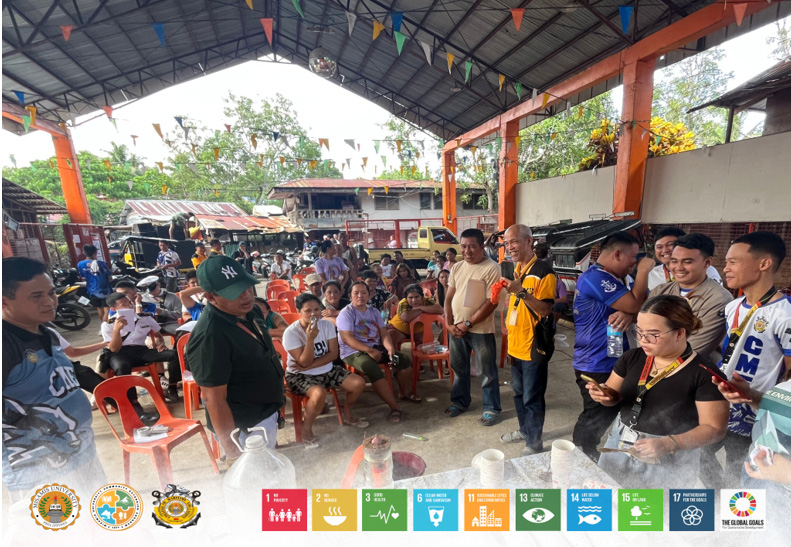
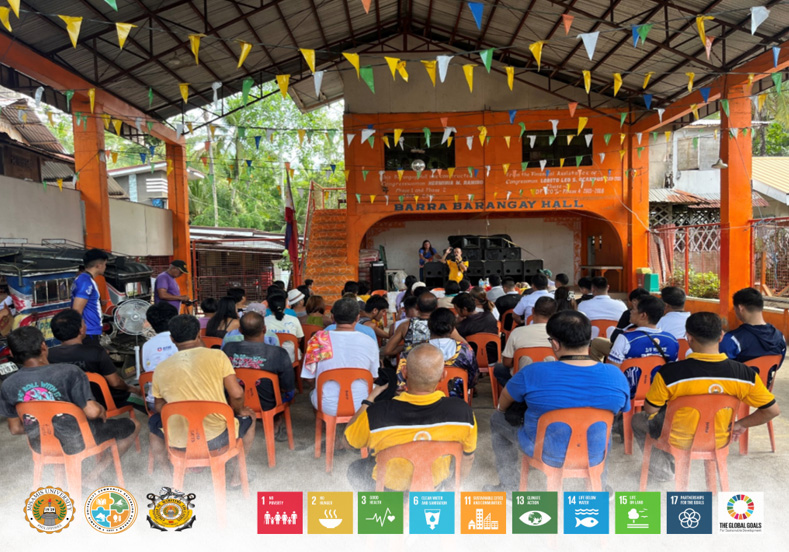
Through the activity, participants learned alternative methods of growing vegetables and spices without soil, providing them with a sustainable means of producing fresh and nutritious food for their families. Many expressed their gratitude for the knowledge shared, emphasizing how these techniques can improve household food security and promote self-sufficiency despite environmental constraints.

The first part of the activity focused on preparing and organizing all the necessary materials and equipment for mixing the hydroponic solutions. Faculty and students of MUCME assisted in setting up materials such as hydroponic nutrient powder and calcium nitrate from Masterblend, coco peat, water, pails, empty bottles, weighing scales, soldering iron, cups for seedlings, syringe, and a pH meter used to check the parts per million (ppm) and pH levels of the solutions. The participants brought their own empty bottles that serve as planting containers, while the MUCME provided the planting materials such as pechay, string beans, kangkong, and ampalaya.
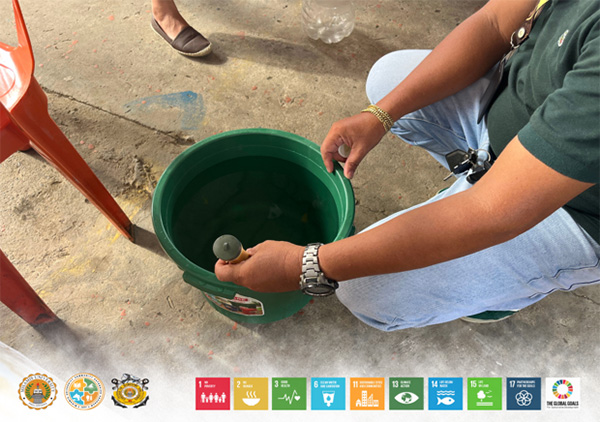
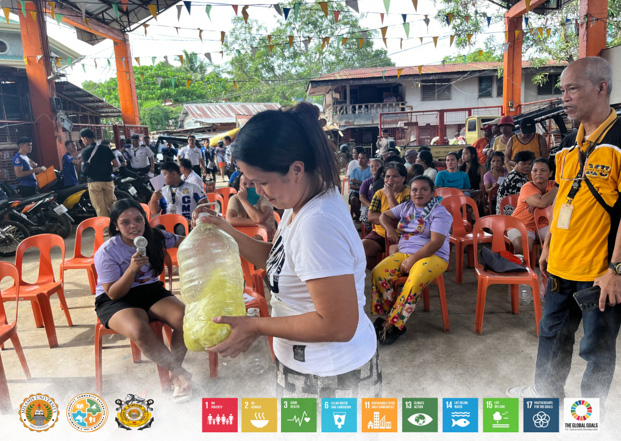
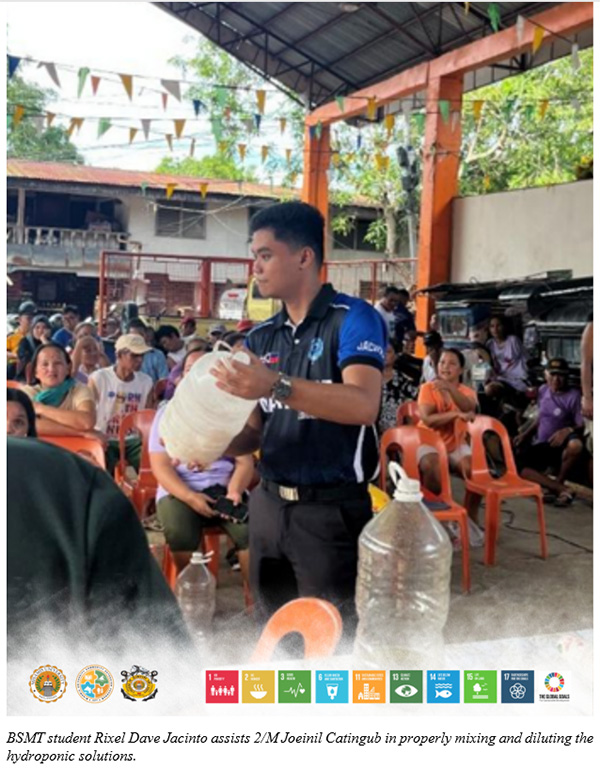
After the preparation of materials, 2/MJoeniel Catingub began the demonstration by checking the parts per million (ppm) of the water sourced from the pump. He then measured the proper proportions of hydroponic nutrients and the corresponding water volume. Initially, 360g of hydroponic powder was diluted with 1 liter of water and mixed thoroughly until the powder was completely dissolved. After preparing the hydroponic solution, he proceeded to dilute 240g of calcium nitrate and 120g of Epsom salt in 1 liter of water.
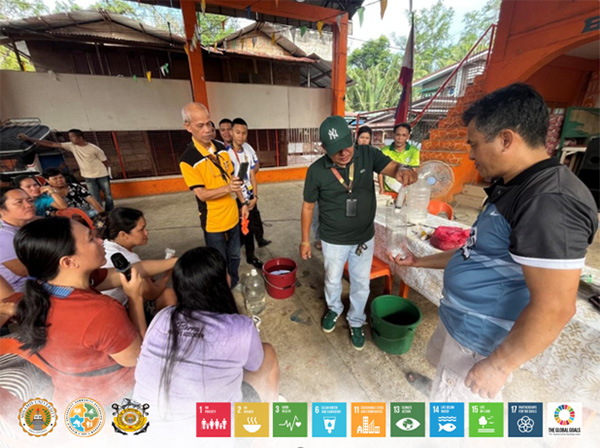
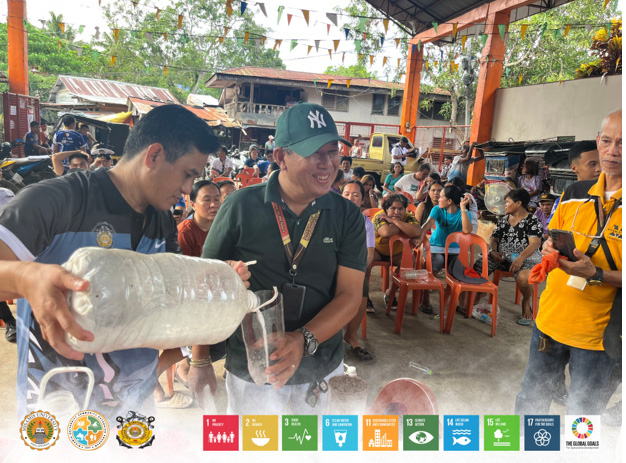
2/M Joeniel Catingub emphasized that all materials used in preparing the hydroponics solutions must be cleaned properly before using them in the CalNat and MagSul solutions. He also reminded the participants that calcium nitrate and hydroponics powder should never be combined directly in their powder forms, and even after mixing it, instead, each should be dissolved separately in water before being mixed together. Once the separate solutions were prepared, he demonstrated the correct mixing ratio—1 mL of hydroponic solution combined with 1 mL of calcium nitrate solution per liter of water.
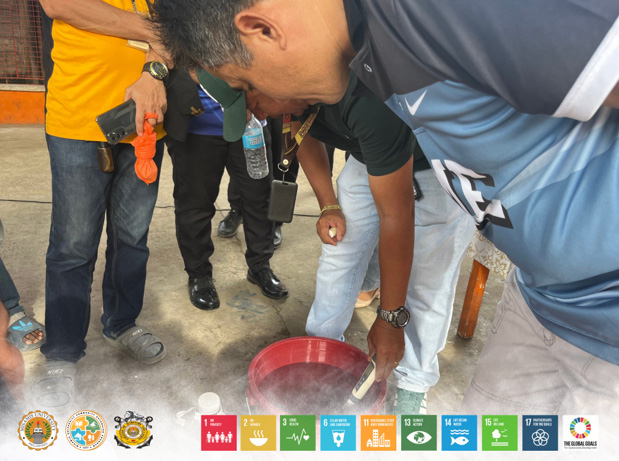
Finally, he checked the ppm level of the final mixture to ensure its suitability for different plants. He explained that ampalaya, string beans, kangkong, and eggplant require a concentration of 800 ppm and above, while pechay and lettuce thrive at a lower concentration of 250-400 ppm.
The participants were eager to apply the knowledge they gained from the demonstration. They expressed their appreciation to the MUCME for providing them with practical skills and new ideas on alternative gardening methods that can help them produce food for their families and potentially generate extra income from their home garden harvests. Many of them shared that they are willing and excited to implement the techniques in their own households.
The activity concluded with words of encouragement from the MUCME team, highlighting the importance of sustainable and innovative practices such as hydroponics in promoting food security and community resilience. The participants expressed their gratitude for the meaningful learning experience and the continued support of the College of Maritime Education in empowering local communities through livelihood and environmental initiatives.

Announcement

|

|
|
Photo Gallery
 DR. NESTOR M. FELICIANO DAY
|
 Turnover of solar energy management from WEGEN to MU
|
 MU Sinulog Celebration 2026
|
Videos
|

|
|