 Misamis University Community Extension Program
 114
114
Misamis University’s Water-Sensitive Waste Disposal and Pollution Prevention Measures
Misamis University (MU) demonstrates a strong institutional commitment to protecting water quality and reducing land-based pollution through comprehensive hazardous waste management, solid waste minimization, and environmental compliance programs. Guided by national policies—including the Philippine Clean Water Act (RA 9275), Toxic Substances and Hazardous and Nuclear Wastes Control Act (RA 6969), and Ecological Solid Waste Management Act (RA 9003)—the University implements measures that ensure safe waste handling, prevent contamination of waterways, and reduce the flow of plastics and pollutants into marine and freshwater ecosystems.
Ensuring Water-Safe Disposal of Hazardous and Laboratory WastesMU upholds strict protocols to prevent hazardous waste contamination through its Hazardous Waste Management Plan, which complies with DENR–EMB regulations and national environmental laws. The policy mandates:
► Prohibition of hazardous waste discharge into drainage systems or waterways;
► Proper identification, segregation, labeling, and storage of all hazardous, chemical, and infectious wastes;
► Use of coded containers, safety labels, and inventory logs for laboratory-generated waste;
► Centralized hazardous waste storage to ensure controlled handling prior to disposal; and
► Accredited transporter and treatment facility disposal, ensuring no untreated waste enters the environment.
Laboratory technicians coordinate closely with the University’s Pollution Control Officer (PCO) to ensure compliant disposal of expired chemicals, sharps, biological waste, and M501 materials. Routine audits and monitoring safeguard water quality, while the University regularly reviews laboratory experiments to reduce the use of toxic substances. This systematic approach ensures that MU’s laboratory operations do not contribute to water pollution and adhere strictly to national environmental standards.
Reducing Plastic Waste Through Campus-Wide Policies and Action Plans
In alignment with RA 9003, Misamis University implements a Solid Waste Management Program that minimizes plastic consumption and encourages sustainable alternatives. These include:
► A strict “No Plastics and No Styrofoam” policy, prohibiting single-use plastics across campus
► Mandatory use of reusable food and drink containers for students, faculty, and staff
► Waste segregation, minimization, recycling, and enforcement of the Clean As You Go (CLAYGO) system
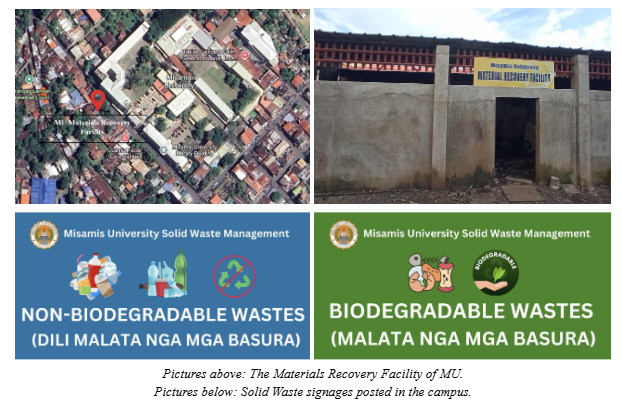
► Operation of a Materials Recovery Facility (MRF) and composting area for biodegradable waste
► Regular Communication, Education, and Public Awareness (CEPA) campaigns led by the PCO
These measures significantly reduce solid waste generation and prevent plastic leakage into drainage systems and waterways. Continuous monitoring ensures compliance across all university units, reinforcing MU’s culture of sustainability and responsible waste management.
Preventing Land-Based Pollution from Reaching Marine and Freshwater Ecosystems
MU’s integrated waste policies effectively prevent land-based pollutants—including plastics, laboratory chemicals, and hazardous waste—from entering rivers and coastal waters. Through RA 6969 and RA 9275–compliant protocols, the University ensures:
► Proper segregation, labeling, and storage of hazardous and chemical wastes;
► Safe disposal through DENR-accredited transporters and treatment facilities;
► Controlled handling of infectious, sharps, expired reagents, and chemical residues; and
► Reduced toxic chemical use through experimental review and substitution practices
Complementing its hazardous waste controls, MU’s broader pollution-prevention measures include:
► Campus-wide solid waste minimization and reduced-plastic policies;
► CEPA initiatives promoting proper waste handling and water conservation;
► Air pollution controls that reduce particulate deposition into waterways; and
► Regular monitoring by the Pollution Control Officer to ensure zero discharge of harmful substances
These combined efforts prevent contamination of urban drainage, rivers, and marine ecosystems—contributing to cleaner waterways and healthier coastal environments in Misamis Occidental

Announcement

|
|
|
Photo Gallery
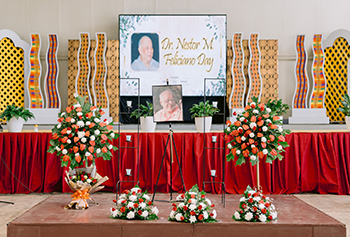 DR. NESTOR M. FELICIANO DAY
|
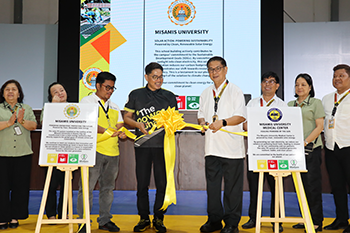 Turnover of solar energy management from WEGEN to MU
|
 MU Sinulog Celebration 2026
|
Videos

|

|
|