 Dr. Lloyd Ranises
 November 11, 2026 9:15 A.M.
 28
Misamis University Supports SDG 2: Zero Hunger Through Student Welfare and Sustainable Food Access
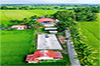
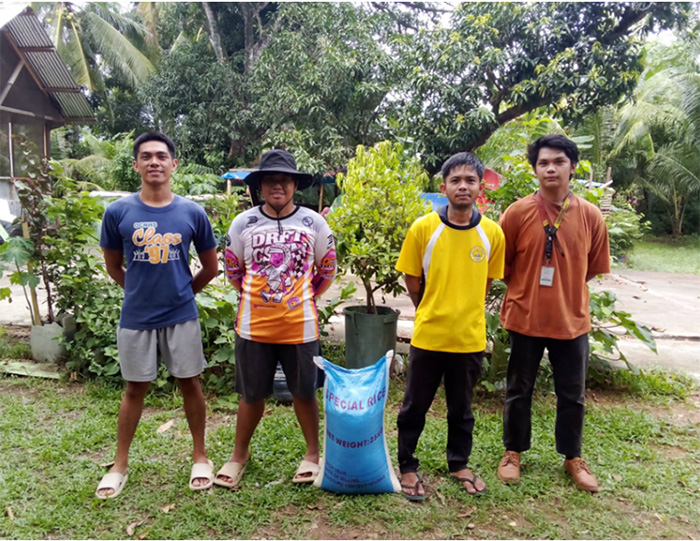
Misamis University integrates food security into its student support services through initiatives that help qualified students meet their nutritional and educational needs. These efforts contribute to Sustainable Development Goal (SDG) 2: Zero Hunger, which focuses on ending hunger and improving access to adequate food. A key initiative is the Full-time Student Aide Scholarship Program, which provides beneficiaries with 25 kilograms of rice each month and access to fruits and vegetables grown on the University's laboratory farms. Beyond food assistance, the program covers free tuition and other school fees, school and physical education uniforms, accommodation at the MU Farm bunkhouse, book allowances, and cash assistance for expenses such as departmental fees. By providing this combination of support, the University helps ease the financial demands faced by qualified students and enables them to focus more on their education.
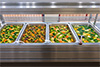
Access to nutritious and affordable meals is also supported through the Misamis University Canteen. Students, faculty, staff, and other members of the campus community can choose from different food options, including vegetarian and plant- based meals. The canteen obtains agricultural produce from the University's own farm and local agricultural suppliers, helping maintain its food supply while offering produce at prices generally lower than those in commercial centers. The University also follows food and dietary guidelines in its canteen to encourage appropriate food choices. Through this arrangement, agricultural production and campus food services work together to support food availability, affordability, and healthier eating practices. Sourcing produce locally also provides a practical way for the University to use its agricultural resources while maintaining connections with local suppliers.
Food assistance extends beyond students through an employee credit-voucher system. This arrangement allows university employees to obtain produce from the University farms and settle the cost through salary deductions over time. By offering an alternative to immediate full payment, the system may help employees manage food purchases alongside their other financial responsibilities. Together, the student scholarship program, campus canteen services, and employee credit-voucher system provide different forms of support for food access within the University community. These initiatives address food-related needs through direct rice provision, access to farm- grown produce, affordable food options, and flexible payment arrangements.
Misamis University's initiatives demonstrate how student welfare programs, campus food services, and university agricultural resources can contribute to SDG 2: Zero Hunger. The provision of rice and fresh produce, together with educational assistance and employee food-purchasing support, forms part of the University's approach to making food more accessible and affordable. These measures also create opportunities to strengthen local sourcing and incorporate agricultural production into the University's efforts to serve its community. Although the available information does not include the number of beneficiaries or measured changes in food security, the programs described illustrate practical institutional measures intended to address food access among students and employees.

Announcement
|

|
|
Photo Gallery
 International Conference on Social Sciences 2026 |
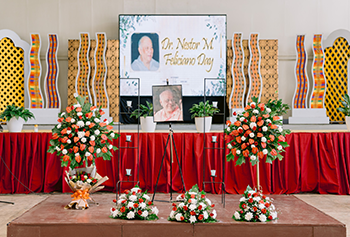 DR. NESTOR M. FELICIANO DAY |
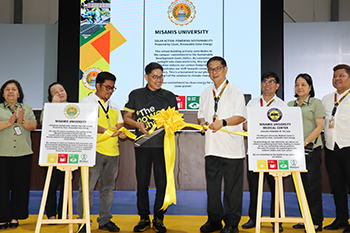 Turnover of solar energy management from WEGEN to MU |
Videos

|

|

|