 Dr. Lloyd Ranises
 November 11, 2026 9:50 A.M.
 30
Misamis University Strengthens Employee Food Security Through a Credit-Voucher System for Farm Produce
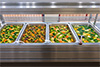
Misamis University (MU) supports Sustainable Development Goal 2 (Zero Hunger) by extending food-security interventions to its employees. Through its Credit-Voucher System, eligible faculty and staff can obtain agricultural products from the University's Laboratory Farms and pay through authorized salary deductions. This arrangement provides a practical and flexible mechanism for accessing available food commodities without requiring immediate full cash payment, thereby linking employee food access directly with the University's agricultural production.
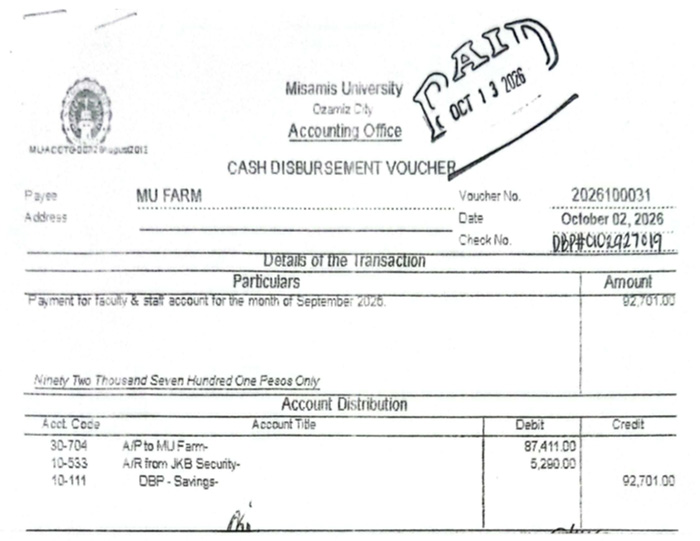
The system is implemented through coordination among the concerned University offices, the MU Laboratory Farms, and the payroll system. Depending on production and availability, employees may obtain farm products such as rice, fruits, vegetables, and other agricultural commodities. The value of the products acquired is recorded through the credit- voucher mechanism and subsequently deducted from the employee's salary until fully settled. This creates an institutional pathway through which University-produced food can directly serve the food needs of the MU workforce.
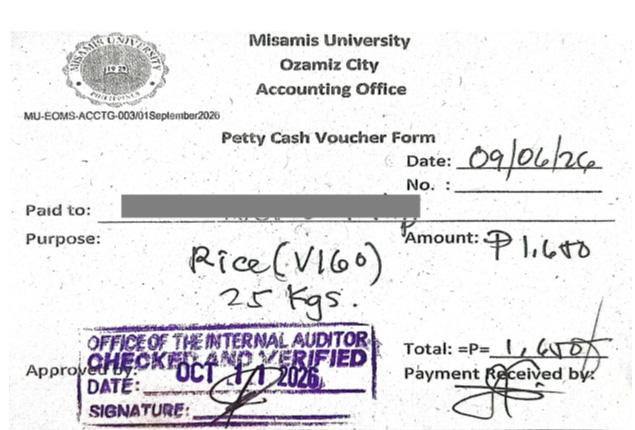
The primary beneficiaries are eligible MU employees, including faculty and staff, who gain more convenient access to available University farm produce through a manageable payment arrangement. The initiative provides a direct institutional mechanism for improving food access while also supporting the productive utilization of agricultural outputs generated by the University. Key accomplishments include the establishment of a formal credit-voucher arrangement, continued access to available farm commodities, and integration of agricultural production with employee welfare and food needs.
The initiative is sustained through the continuing operation of the MU Laboratory Farms and established University administrative and payroll mechanisms. Continued monitoring of employee participation, commodities obtained, value of products accessed, and beneficiary feedback can provide stronger evidence of program reach and outcomes. By connecting agricultural production, flexible food purchasing, and employee welfare, the Credit-Voucher System contributes to SDG 2 – Zero Hunger by improving access to food within the University's workforce and demonstrating how institutional agricultural resources can support food security in a practical and sustainable manner.

Announcement

|

|
|
Photo Gallery
 International Conference on Social Sciences 2026 |
 DR. NESTOR M. FELICIANO DAY |
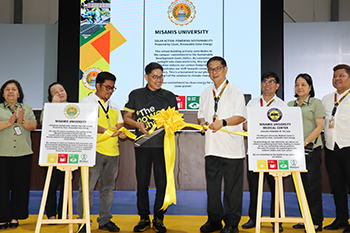 Turnover of solar energy management from WEGEN to MU |
Videos

|

|

|