 Dr. Lloyd Ranises
 November 11, 2026 9:20 A.M.
 31
Misamis University Strengthens Local Farmers Through Sustainable Forage and Ruminant Production Training
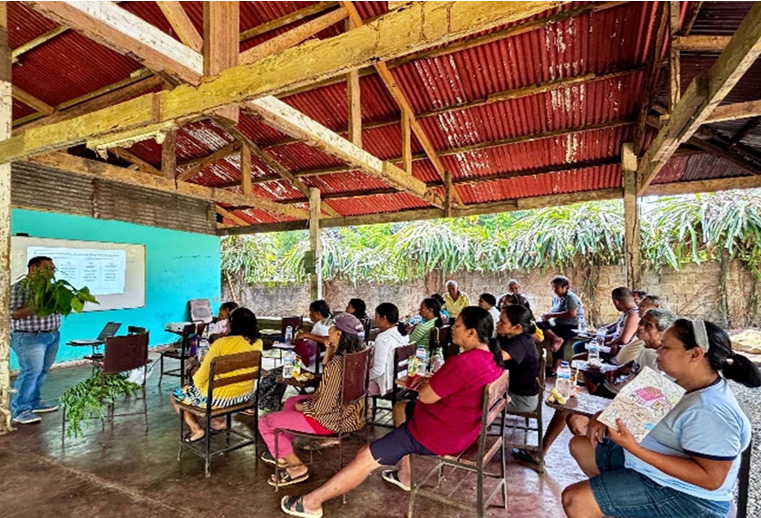
Misamis University supports SDG 2 (Zero Hunger) by providing local farmers and food producers with access to agricultural knowledge, skills, and technologies that strengthen sustainable livestock production. Through its agricultural programs and community engagement initiatives, the University conducts Forage Production and Management and Ruminant Production and Management seminars. The activities featured Agr. Ian Jez Bacalso, faculty member of the College of Agriculture and Forestry, Misamis University, and Agr. Beljing Camacho, Agricultural Technologist from the Department of Agriculture–LGU Ozamiz City, as resource speakers. The forage seminar focused on producing and managing healthy, nutritious forage as a sustainable feed resource, while the ruminant seminar addressed proper animal production and management to support healthy livestock and the production of quality breeding stocks and meat products.
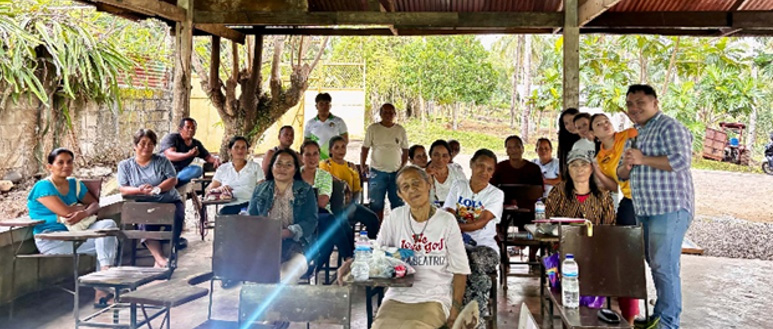
The two complementary interventions strengthen farmer capacity across critical stages of livestock production—from feed resource development to animal management. Through the expertise shared by the resource speakers, participating farmers gained access to practical knowledge on forage production, animal nutrition, and ruminant management. Improved forage- management practices can help farmers develop nutritious feed resources, while sound livestock- management practices support animal health and productivity. The primary beneficiaries are local farmers and food producers, particularly those engaged in livestock and ruminant production, who can apply the knowledge and skills gained to their own farming operations.
These initiatives demonstrate Misamis University's role as a knowledge and technology partner for local food producers, extending its contribution to food security beyond the campus. The seminars contribute to SDG 2 (Zero Hunger) by strengthening farmers' capacity for sustainable agricultural production and supporting more productive local livestock systems. The initiatives can be sustained through continuing agricultural extension activities, laboratory farm operations, collaboration with the Department of Agriculture and local government partners, and follow-up technical assistance. Supporting evidence may include seminar programs, resource speaker profiles, attendance sheets, training materials, photographs, evaluation results, farmer feedback, and follow-up documentation demonstrating the application of the knowledge and skills gained.

Announcement

|

|
|
Photo Gallery
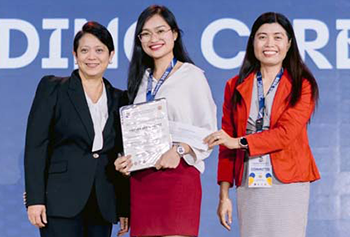 International Conference on Social Sciences 2026 |
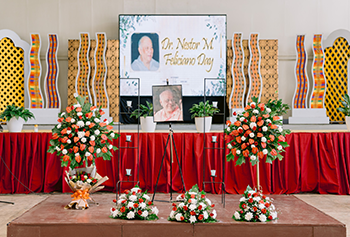 DR. NESTOR M. FELICIANO DAY |
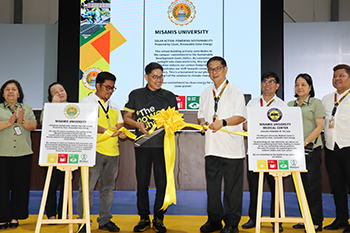 Turnover of solar energy management from WEGEN to MU |
Videos

|

|

|