

 37
Misamis University Institutional Waste Tracking, Recycling, and Disposal Program
Misamis University recognizes effective waste management as an essential component of a sustainable and environmentally responsible campus. The University has established institutional mechanisms to measure, monitor, segregate, recover, recycle, compost, and properly dispose of waste generated from its campus operations. These initiatives provide quantitative evidence for decision-making and support the continuous improvement of the University's solid waste management system.
Measuring and Tracking Waste Generation
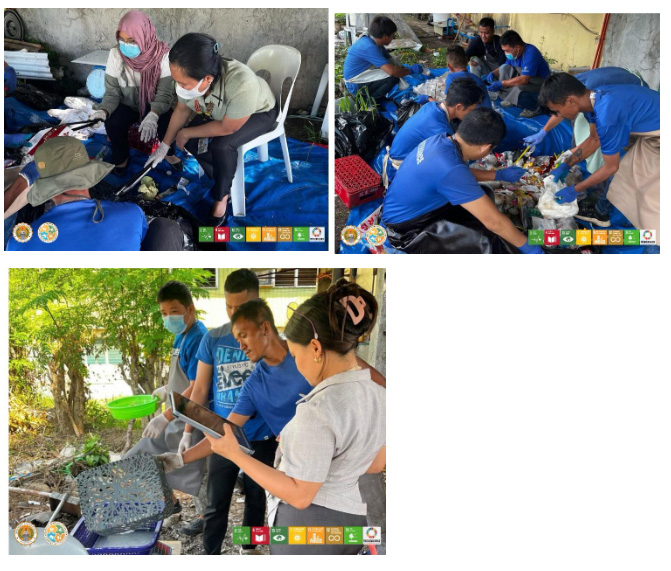
Misamis University systematically measures the amount and composition of waste generated across the university campus. Utility personnel collect waste from classrooms, colleges, offices, and campus grounds and bring the collected materials to designated areas for weighing, segregation, recovery, storage, and disposal.
The University formally strengthened its quantitative waste baseline through a university-funded Waste Assessment and Characterization Study (WACS) conducted from August 24–30, 2026. The seven-day assessment measured a total of 2,133.84 kg (2.13 t) of solid waste, equivalent to an average generation of 304.83 kg (.305 t) per day. The study characterized the campus waste stream into major categories:
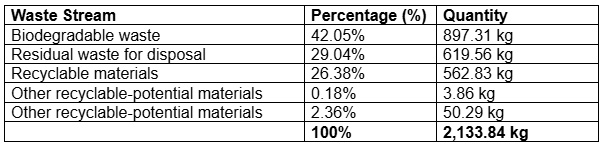
The WACS provides the University with an institution-wide quantitative baseline for monitoring waste generation, understanding waste composition, identifying recoverable materials, and developing targeted waste-reduction, recycling, composting, and resource-recovery interventions.
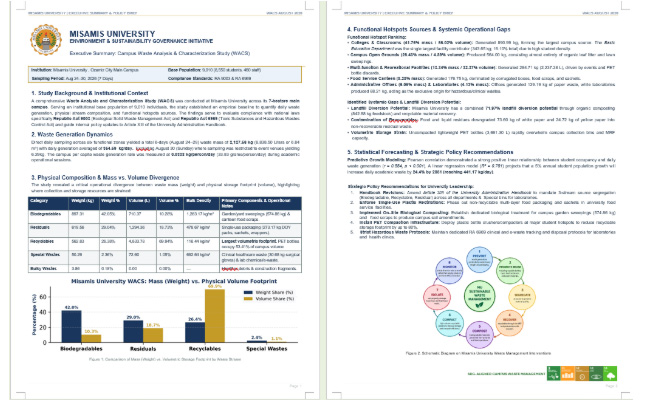
The study identified a substantial biodegradable fraction, providing a basis for strengthening organic-waste management and composting. The recyclable fraction including paper, cardboard, PET bottles, disposable beverage cups, metals, glass, and other recoverable materials provides opportunities for enhanced source segregation, materials recovery, recycling partnerships, and circular-resource initiatives. The residual fraction provides evidence for strengthening waste prevention, reuse, sustainable procurement, and reduction of unnecessary single-use materials.
Based on the WACS, the University estimated a 71.97% waste diversion potential, equivalent to approximately 1,433.12 kg of the 2,003.22 kg of waste identified as potentially recoverable through appropriate composting, recycling, materials recovery, and related resource-recovery measures. The University recognizes that this figure represents potential diversion rather than the current actual diversion rate. This distinction provides a more transparent basis for future monitoring and prevents the overstatement of institutional recycling performance.
Waste Segregation, Recovery, and Temporary Storage
Waste generated on campus is managed according to its waste stream. Residual waste intended for landfill disposal is temporarily stored in the University's designated waste holding area pending collection by the Local Government Unit of Ozamiz City.
Recyclable materials, including paper, cardboard, plastic bottles, and other recoverable materials, are segregated and temporarily stored at the University's Material Recovery Facility (MRF) for consolidation, recovery, recycling, and appropriate onward transfer.
Prior to disposal or transfer, waste is weighed at designated holding areas to document the quantity of waste generated and managed. These measurements provide supporting records for monitoring different waste streams and evaluating changes in waste generation and diversion over time.
Garden waste and other biodegradable materials are separately collected and transported to the University's composting area for appropriate processing and recovery. This practice supports the University's objective of reducing the amount of organic material requiring disposal while promoting the beneficial use of biodegradable resources.
The University Pollution Control Officer (PCO) oversees the waste-monitoring process and maintains records of the quantities of different waste streams generated, recovered, recycled, composted, and disposed of. The PCO's monitoring function provides institutional oversight and supports compliance, reporting, planning, and continuous improvement.
Institutional Waste Generation Profile
Based on the University's institutional waste records and estimates, Misamis University generates approximately 102,384 kg (102.384 metric tons) of waste annually across its campus operations.
Approximately 7,178.48 kg of biodegradable waste is generated annually, consisting primarily of garden waste and food waste from canteen operations and university activities. These materials are subject to segregation and recovery, with further opportunities being developed to expand composting and organic-waste management. The University generates approximately 26,976 kg of recyclable materials annually, including plastics, metals, glass, paper, and aluminum. These materials are segregated at source and directed toward recycling, material recovery, and partnerships with external recovery facilities.
Approximately 2,400 kg of special waste is generated annually from laboratory activities, construction and maintenance operations, electronic waste, and other specialized activities. These materials are segregated and stored in designated areas to prevent their mixing with general campus waste and to facilitate appropriate management. For hazardous and other regulated wastes requiring specialized treatment, Misamis University has established a partnership with AGM Medical Waste Specialist Inc., a DENR–EMB-accredited transporter and treatment facility, for the appropriate collection, transport, treatment, and disposal of applicable regulated waste.
Recycling and Circular Resource Recovery
Misamis University implements measures to increase the recovery and beneficial use of recyclable materials and reduce the volume of waste sent to landfill.
The WACS recorded 562.83 kg of recyclable materials, representing 26.38% of the total waste characterized during the seven-day assessment. This quantitative finding supports the University's efforts to strengthen source segregation, materials recovery, recycling, and partnerships with organizations that can utilize recovered materials.
One example of the University's circular-resource approach is its partnership with St. Mary's Seminary, which utilizes recovered plastic materials as inputs for a plastic-based brick-making initiative. Suitable recovered plastics, including PET bottles and disposable beverage cups, are collected and supplied for processing into construction materials rather than being directed to landfill.
Through this partnership, Misamis University delivers approximately 600 kg of recyclable plastics annually for material recovery and reuse. The initiative demonstrates an institutional approach to transforming selected post-consumer plastic waste into useful materials while reducing the quantity of plastics requiring final disposal. In addition to institutional recycling partnerships, approximately 500 kg of recyclable materials, including PET bottles and disposable beverage cups such as milk-tea cups, have been collected and sold to junkshops for recycling and material recovery.
Residual Waste and Landfill Disposal
Misamis University implements residual-waste management in coordination with the Local Government Unit of Ozamiz City and its established solid waste management system. The University generated approximately 29,712 kg (29.712 metric tons) of residual waste annually.
Residual waste is temporarily stored at the University's designated holding area and collected according to the established LGU schedule. Collection is conducted every Tuesday, Thursday, and Saturday, after which the residual waste is transported through the local government waste-management system to the designated landfill facility for final disposal.
Approximately 211.5 kg of residual waste has also been documented as collected and transported through the LGU system for landfill disposal. The scheduled collection mechanism helps prevent prolonged accumulation of residual waste on campus and supports its timely transfer to the designated disposal facility. These practices are implemented in accordance with the principles and requirements of Republic Act No. 9003, or the Ecological Solid Waste Management Act of 2000, including waste segregation, resource recovery, recycling, composting, and appropriate management of residual waste.
Strengthening the University's Waste Management System
The University recognizes that periodic measurement is an important first step toward establishing continuous and institution-wide waste tracking. Accordingly, Misamis University is strengthening the implementation of its MU Solid Waste Management System to provide a more comprehensive mechanism for recording and monitoring waste generated, recovered, recycled, composted, diverted, and finally disposed of across campus.
The WACS serves as the quantitative baseline for this developing system. It enables the University to establish measurable indicators, identify gaps in waste management, set improvement targets, and evaluate the effectiveness of interventions.
Key indicators for continuing institutional monitoring include:
total waste generated;
average daily waste generation;
waste generation by waste stream;
- quantity of recyclable materials recovered;
- quantity of materials sent for recycling or reuse;
- quantity of biodegradable waste composted or recovered;
- quantity of residual waste sent for landfill disposal; and
- overall waste diversion performance.
This transition from periodic assessment toward continuous waste tracking strengthens the University's capacity to make evidence-based environmental decisions.
Commitment to a Sustainable and Circular Campus
Misamis University's waste-management approach integrates measurement, segregation, recovery, recycling, composting, responsible disposal, partnerships, and institutional monitoring. The University's WACS provides a measurable baseline, while its recycling partnerships and waste recovery practices demonstrate the application of resource-recovery and circular-economy principles.
The University acknowledges that achieving higher actual diversion rates requires continued improvement in source segregation, waste prevention, recycling infrastructure, composting capacity, sustainable procurement, and institutional participation. By establishing measurable baselines and strengthening its waste-tracking system, Misamis University is building a more accountable and data-driven approach to campus sustainability. Through these efforts, the University seeks not only to reduce the amount of waste sent to landfill but also to maximize the recovery and beneficial use of materials, improve resource efficiency, strengthen environmental compliance, and engage the entire university community in responsible waste management.
Misamis University is moving from waste measurement toward continuous, evidence-based waste management using institutional data to guide actions, measure progress, and build a more circular, resource-efficient, and environmentally sustainable campus.

Announcement
|
|
|
Photo Gallery
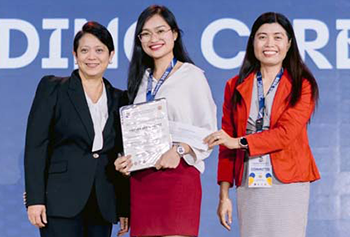 International Conference on Social Sciences 2026 |
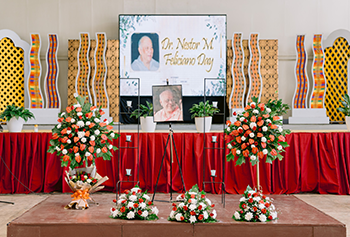 DR. NESTOR M. FELICIANO DAY |
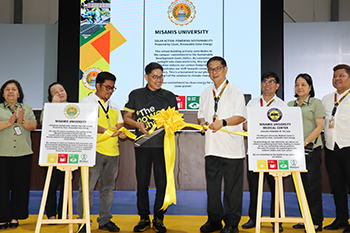 Turnover of solar energy management from WEGEN to MU |
Videos

|

|
|