 Linkage & Networking
 November 12, 2026 9:00 A.M.
 32
Opening University-Based Events to the Public through Inclusive Lectures, Conferences, and Community Learning Opportunities
Misamis University advances inclusive and lifelong learning by hosting educational events that welcome participants beyond its own academic community. Through public lectures, research presentations, technical sessions, and professional exchanges, these events connect students, educators, researchers, and practitioners with new knowledge and expertise.
The articles that follow highlight three examples of this commitment: the 4th International Conference on Biodiversity and Climate Change (IConBaCC 2025), which brought together more than 1,200 participants from 32 institutions and agencies; the Regional Conference on Information Technology Educators (RCITE 2025), which supported research sharing and professional development; and the 20th IIEE Regional Student Conference, which offered electrical engineering students technical seminars, lectures, symposia, and academic competitions.
Together, these events demonstrate how the University extends learning opportunities beyond campus, encourages research dissemination, and supports professional development across the region. Documentation includes event programs, attendance records, photographs, presentations, partnership documents, and accomplishment reports.
IConBaCC 2025: Fostering Global Climate and Biodiversity Education Through Inclusive, Open-Access Learning
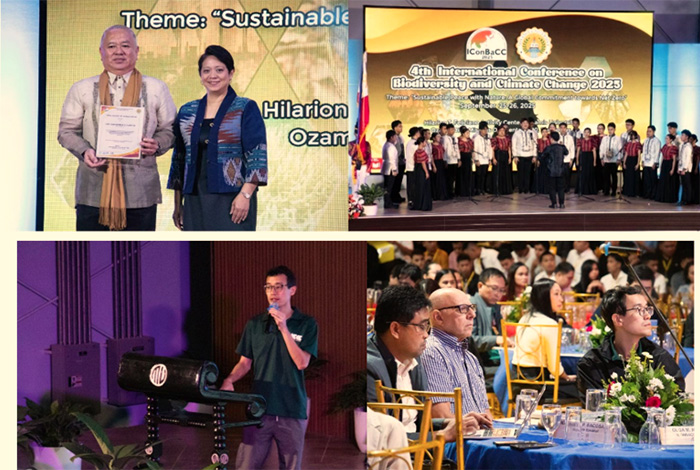
Misamis University hosted the 4th International Conference on Biodiversity and Climate Change (IConBaCC 2025) on September 25–26, 2025, under the theme “Sustainable Peace with Nature: A Global Commitment towards Net Zero.” Endorsed by the Commission on Higher Education (CHED) Region 10, this flagship initiative was co-organized in strategic partnership with international institutions, including Kasetsart University (Thailand), VIT Bhopal University (India), and INTI International University (Malaysia). Designed as an inclusive, hybrid (in-person and virtual) educational platform, the conference deliberately removed financial and geographical barriers to deliver high-level scientific instruction to academics, students, local government units, civic organizations, and the general public, reinforcing the university’s commitment to lifelong learning and open-access community education.
The event achieved broad public reach, convening over 1,200 participants across 32 institutions and agencies from the Philippines and abroad. The conference provided structured learning opportunities through plenary addresses, interactive Q&A sessions, and 116 peer- reviewed research papers covering key SDG-aligned topics such as climate impacts, biodiversity conservation, and technological and policy solutions. Knowledge transfer was led by internationally distinguished experts, including Dr. Hernando Bacosa (MSU-IIT / Tohoku University, Japan), Dr. Ming Kai Tan (Lee Kong Chian Natural History Museum, NUS, Singapore), Dr. Kornsorn Srikulnath (Kasetsart University, Thailand), Dr. Charlotte Kendra Gotangco Gonzales (Australian National University, Australia), Dr. David Calabro (ExxonMobil R&E, USA), and Mr. Tom Van Der Meulen (Control Union Philippines, Inc.). To ensure the educational impact extends beyond the event itself, accepted papers were designated for publication in a special open-access edition of the Journal of Multidisciplinary Studies (JMDS), creating a lasting scholarly resource for global communities and future researchers.
Demonstrating strong multi-sectoral governance and community integration, the conference was officially graced by key local government leaders, including Hon. Sam Norman G. Fuentes, Mayor of Ozamiz City, and Hon. Clara Mae Villanueva, Provincial SK Federated President, who delivered an inspirational message on behalf of Hon. Henry S. Oaminal, Governor of Misamis Occidental. Their active involvement underscored the bridge between higher education, local leadership, and grassroots youth engagement. Through this comprehensive, publicly accessible initiative, Misamis University effectively translated academic research into actionable, community-wide climate education and sustainable resilience practices.
Regional Conference on Information Technology Educators (RCITE) 2025
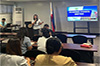
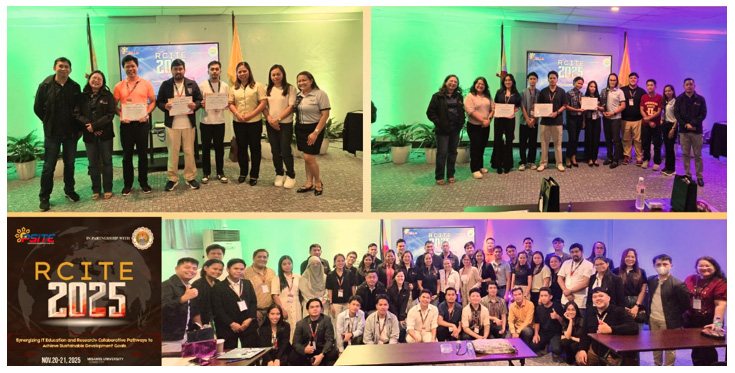
Misamis University (MU), through its partnership with the Philippine Society of Information Technology Educators Region 10 (PSITE R10), contributed to lifelong and professional learning beyond the university through the Regional Conference on Information Technology Educators (RCITE) 2025, held on November 20–21, 2025 at Misamis University, Ozamiz City, Philippines.
RCITE 2025 was organized as a regional educational event by PSITE R10 in partnership with Misamis University Ozamiz City. The publicly announced registration information described the conference as an event addressing research initiatives, collaborative pathways, and discussions on sustainable IT education and development goals. The announcement identified its intended participants as IT educators, professionals, practitioners, and students in the region, establishing that the event extended beyond MU's own enrolled students and faculty.
The conference was made publicly accessible through PSITE R10's Facebook page and the RCITE 2025 Google Sites website, where information about the event and registration was made available. Participation was not restricted to MU students or faculty, nor was it limited to PSITE members. Participants came from universities and organizations across Northern Mindanao, with representation from academe, industry, and government. This regional participation enabled the university to serve as a venue and institutional partner for an educational event accessible to a broader community of learners and professionals.The educational character of RCITE 2025 was reflected in its program of plenary sessions, research paper presentations, and poster presentations. These activities provided participants with opportunities to learn from research initiatives, examine developments and practices in information technology education, exchange professional and academic perspectives, and explore collaborative approaches to IT education and development. The conference therefore provided a setting for continuing learning and professional knowledge exchange among educators, practitioners, professionals, students, and other stakeholders in the regional IT community.
MU's participation as a partner also enabled the university to contribute its academic environment and institutional resources to a regional learning event. By hosting the conference in partnership with PSITE R10, MU helped bring together participants from outside the university and provided a setting in which current research, educational practices, professional experiences, and emerging issues in information technology could be shared.
The event's public accessibility and educational purpose were supported by publicly available conference announcements and registration information, including the PSITE R10 Facebook page and the RCITE 2025 Google Sites. The conference website also made the event program available, documenting its plenary, paper presentation, and poster presentation components.
RCITE 2025 therefore represents Misamis University's participation in a public regional educational event that extended learning opportunities beyond its regular university population. Through its partnership with PSITE R10, MU contributed to a continuing-learning environment in which IT educators, professionals, practitioners, and students could access research presentations, professional knowledge, educational discussions, and opportunities for academic and professional exchange. The activity demonstrates the university's engagement in providing and supporting lifelong and professional learning opportunities for the wider community.
Misamis University Hosts IIEE Regional Student Conference to Advance Electrical Engineering Education
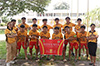
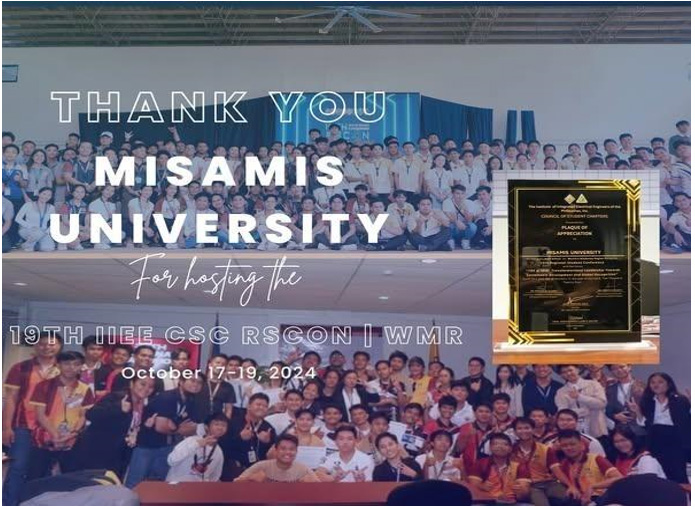
Misamis University hosted the 20th Institute of Integrated Electrical Engineers (IIEE) Regional Student Conference on October 15–17, 2024 in Ozamiz City, Northern Mindanao, bringing together approximately 300 electrical engineering students from universities across the region. The conference provided a platform for students to connect theoretical knowledge with current industry practices and access specialized technical learning beyond the regular curriculum. The three-day event featured technical seminars, keynote lectures on power systems and electronics, professional symposia led by licensed electrical engineers and industry experts, and academic competitions such as quiz shows and Math Wizards. Misamis University provided the venue and logistical support necessary for the conduct of the activities, which also promoted academic networking and collaboration among regional IIEE student chapters and participating institutions. The conference successfully convened regional delegates, delivered the scheduled technical and professional learning sessions, and recognized participants and outstanding performers through certificates and academic awards. Overall, the activity contributed to improving the technical literacy, academic exposure, and professional readiness of electrical engineering students by bringing relevant engineering expertise and supplementary educational opportunities closer to students within the region.

Announcement
|
|
|
Photo Gallery
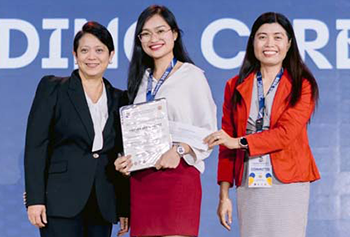 International Conference on Social Sciences 2026 |
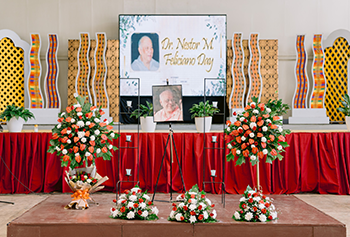 DR. NESTOR M. FELICIANO DAY |
 Turnover of solar energy management from WEGEN to MU |
Videos

|

|
|