 Dr. Lloyd Ranises
 November 9, 2026 2:55 P.M.
 49
Misamis University: A Monument to Nearly a Century of Educational Service
Misamis University’s campus and history reflect its mission of providing education to all. As the university approaches its centennial, its longstanding contribution to education may be recognized as an important part of the region’s history.
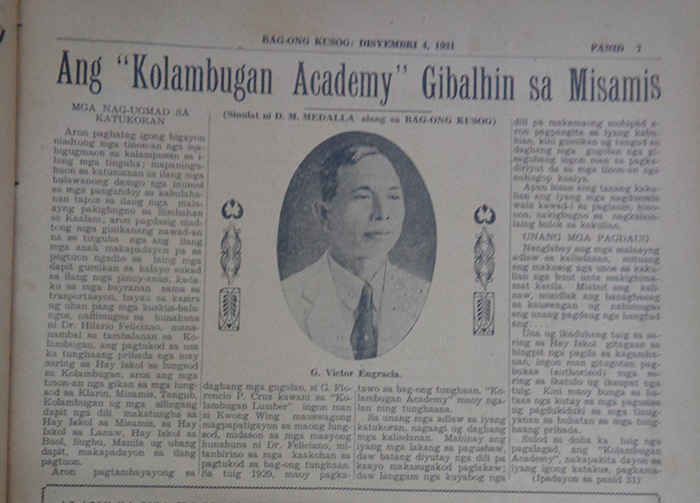
The university’s story reaches beyond the immediate community of Ozamiz City, where it is now located. A Cebu City newspaper, Bag-ong Kusog, reported on the institution’s founding and development. The newspaper was originally called Nueva Fuerza and was renamed Bag-ong Kusog in 1930. It circulated from 1904 to 1950 and published news in Bisaya language about events in the Visayas and Mindanao.
One report, entitled “Ang Kolambugan Academy Gibalhin sa Misamis” [“Kolambugan Academy Was Transferred to Misamis”], described the institution’s early history. Kolambugan Academy was the university’s original name.
A news report dated December 4, 1931, states:
“Aron paghatag igong higayon niadtong mga tinun-an nga mahigugmaon sa kalampusan sa ilang mga tinguha, mapaninguhaon sa katumanan sa ilang mga bulawonong damgo nga inumod sa mga pangandoy sa kabulahanan tapos sa ilang mga malaayng pakigbugno sa Simbahan sa Kaalam, aron pagdasig niadtong ginikanan nawad-an na sa tinguha nga ang ilang mga anak makapadayon pa sa pagtuon ngadto sa laing mga dapit gumikan sa kalayo sukad sa ilang mga pinuy-anan, kadako sa mga bayranan sama sa transportasyon, bayad sa kasira ug uban pang mga kus-kus balungos, nahimugso sa hunahuna ni Dr. Hilario Feliciano, mananambal sa tambalanan sa Kolambugan, aron ang mga tinun-an nga gikan sa mga lungsod sa Klarin, Misamis, Tangub, Kolambugan, ug mga silingang dapit nga dili makatungha sa Hay Iskul sa Misamis, sa Hay Iskul sa Lanao, Hay Iskul sa Buol, Hay Iskul sa Sugbo, Manila og ubang dapit, makapadayon sa ilang pagtuon.” [To give sufficient opportunity to those students who love success in their endeavors, who strive for the fulfillment of their golden dreams rooted in hopes of prosperity after their tedious struggles in the Church of Knowledge, and to encourage those parents who have lost hope that their children could still continue their studies in other places due to the distance from their homes, the heavy expenses such as transportation, boarding fees, and other miscellaneous hassles, the idea was born in the mind of Dr. Hilario Feliciano, a doctor at the hospital in Kolambugan, so that students from the towns of Clarin, Misamis, Tangub, Kolambugan, and neighboring places who could not attend High School in Misamis, Lanao, Buol, Cebu, Manila, and other places, could continue their studies.]
The report explains that Dr. Hilarion Feliciano (identified in the newspaper as Hilario) conceived the idea of establishing a school in response to the difficulties faced by families in nearby towns. Distance and the rising costs of transportation, lodging, and other expenses made it difficult for many students to continue their education elsewhere. Dr. Feliciano sought to address this need by creating a local opportunity for them to pursue their studies.
“Aron pagtambayayong sa daghang mga gugolan, si G. Florencio P. Cruz, kawani sa ‘Kolambugan Lumber,’ ingon man si Kwong Wing, mauswagong magpapatigayon sa maong lungsod, midason sa mga maayong hunahuna ni Dr. Feliciano, mitambirino sa mga kakuhan sa pagtukod sa bag-ong tungha-an. Sa tuig 1929, maoy pagkatawo sa bag-ong tunghaan, ‘Kolambugan Academy’ maoy ngalan ning tunghaana.” [To help share the many expenses, Mr. Florencio P. Cruz, an employee of Kolambugan Lumber, and Kwong Wing, a prosperous businessman in the town, supported Dr. Feliciano’s idea and contributed resources toward establishing the new school. In 1929, the new school was founded and named Kolambugan Academy].
To understand the context behind Dr. Feliciano’s concern for parents, population growth may offer a glimpse of conditions in the area. According to an Augustinian archival source (Asunción, Gragorio Fidel de Blas, 1910) and population records, the population of Misamis, now Ozamiz City, grew substantially: 6,313 in 1897; 11,709 on March 2, 1903; 12,237 on December 31, 1918; and 36,313 on January 1, 1939. This growth may have been influenced in part by migration, encouraged by American-era agricultural policies. Population growth in nearby areas may also have added to the challenges of governing the province from Cagayan de Oro. On November 2, 1929, Legislative Act No. 3537 divided Misamis Province into Misamis Oriental and Misamis Occidental. Ozamiz City is in Misamis Occidental.
As these towns grew, the need for education became increasingly apparent to the school’s founder, who saw it as part of the region’s development. The report states that Kolambugan Academy was later moved to Misamis, now Ozamiz City. Dated December 4, 1931, the report offers a glimpse of the school’s development: although Kolambugan was a smaller town, relocating to Misamis may have enabled the school to serve more students.
The institution’s name changed over time: it was Kolambugan Academy in 1929, Misamis Institute after its relocation in 1931, Misamis Colleges in 1955, and Misamis University in 1977, when it was recognized by the Commission on Higher Education.
Misamis University’s growth has accompanied the development of the province and neighboring communities, where population growth increased the need for accessible education. In 1929, Dr. Hilarion Feliciano founded Kolambugan Academy to address the difficulties parents faced in sending their children to distant schools. Over the decades, the institution has educated generations of students and contributed to community development.
Today, Misamis University serves students from Ozamiz City, nearby towns, and neighboring provinces. As it approaches its centennial in 2029, it continues its commitment to making education accessible. Its campus stands as a testament to the founders’ vision, the university’s educational legacy, and its enduring service to Misamis Occidental and the wider community.

Announcement

|

|
|
Photo Gallery
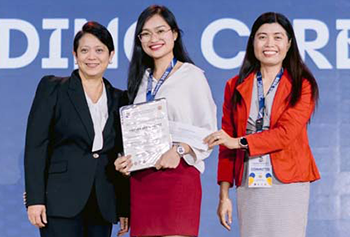 International Conference on Social Sciences 2026 |
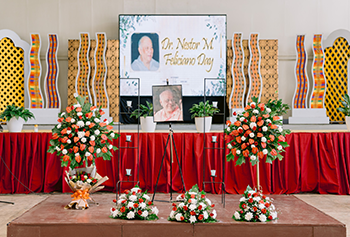 DR. NESTOR M. FELICIANO DAY |
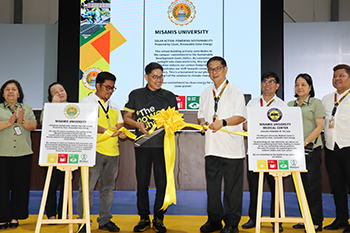 Turnover of solar energy management from WEGEN to MU |
Videos

|

|

|