 Dr. Lloyd Ranises
 November 11, 2026 10:40 A.M.
 34
Participatory Governance and Stakeholder Representation
1. Academic and Administrative Council
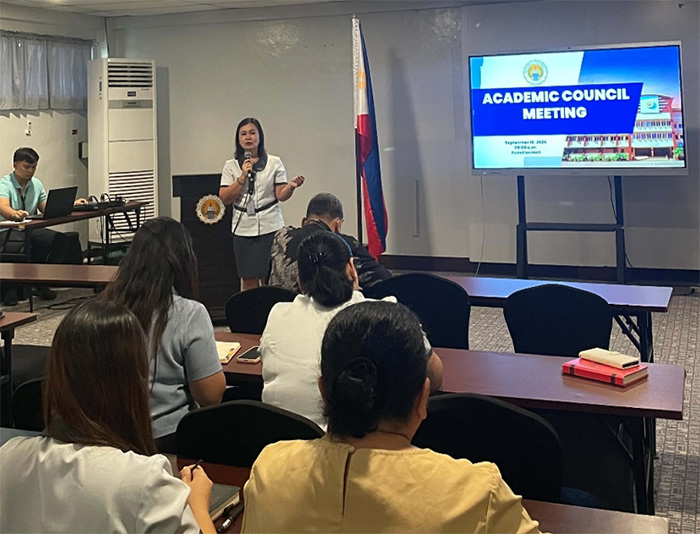
Misamis University institutionalizes participatory academic and administrative
governance through its Academic Council, Administrative Council, and Joint Academic
and Administrative Council
mechanisms. The Academic Council,
composed of the University's deans
and department heads representing
the different academic units,
convenes regularly every third
Wednesday of the month to
deliberate on academic policies,
programs, curriculum matters,
student concerns, instructional
issues, and other matters affecting
academic operations.
The Administrative Council, on the other hand, convenes every first Wednesday of the month and provides a formal venue for administrative officials and concerned units to discuss institutional operations, administrative policies, services, organizational concerns, and other matters requiring institutional action. When matters require integrated consideration across academic and administrative functions, the University President convenes Joint Academic and Administrative Council meetings. These meetings bring together academic and administrative leaders to collectively deliberate on concerns that have implications for both sectors, promoting coordination, shared accountability, and a whole-of-institution approach to decision- making.
Through these regularly convened councils and joint deliberative mechanisms, Misamis University provides academic and administrative leaders with structured opportunities to present concerns from their respective units, participate in institutional deliberations, and contribute to decisions affecting the University's policies, programs, operations, and strategic direction. The regularity and integration of these mechanisms demonstrate that participatory governance is embedded in the University's institutional processes rather than limited to occasional consultation.
2. Annual Strategic Planning
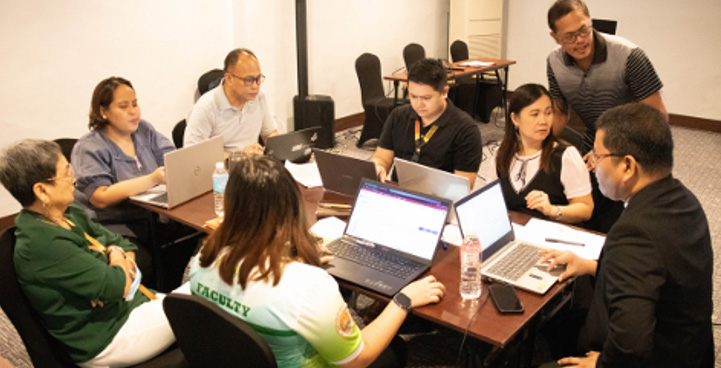
Misamis University
conducts annual strategic
planning as a formal
mechanism for participatory
institutional planning and
decision-making. The
process provides an
opportunity for the
University to review its
accomplishments and
performance, assess
emerging institutional
needs and challenges, establish strategic priorities, and formulate goals and action
plans for the succeeding
period. Relevant academic
and administrative sectors
contribute their perspectives
to the planning process,
allowing institutional priorities
to be informed by the
experiences, needs, and
recommendations of the
University's different units and
stakeholders.
The annual strategic planning
process connects regular
governance deliberations with
the University's longer-term
institutional direction. Issues
and recommendations
emerging from academic,
administrative, and stakeholder
consultations can be
considered in the formulation
and refinement of institutional
priorities. Through this
recurring process, strategic planning becomes an ongoing mechanism for institutional improvement rather than a
one-time planning activity.
3. Student Representation
Misamis University recognizes students as important participants in institutional
governance. Students are represented through the elected Student Council, which
provides a formal channel for communicating student concerns, perspectives, and
recommendations to the University. Student participation is particularly relevant to
matters that directly affect the student body, including consultation on proposed tuition
fee increases and other student-related policies and initiatives. Through elected
student representation and consultation mechanisms, the University promotes
responsiveness to the needs and concerns of its students.
4. Parent Participation and Consultation
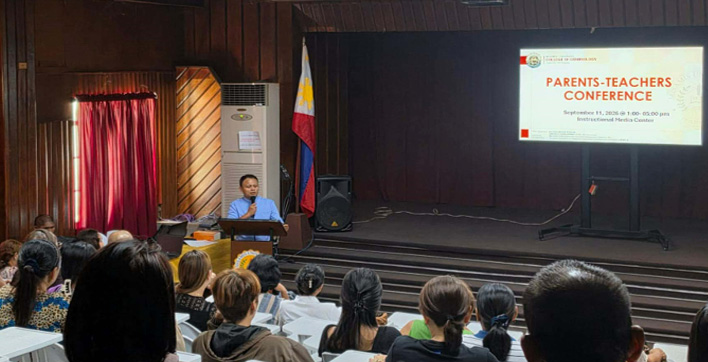
The University recognizes parents and guardians as important stakeholders in the
educational process. A Parents' Conference is conducted at the beginning of each
school year, providing an established venue for communication, consultation, and
discussion of matters relevant to students and their educational experience. In
addition, a separate conference is conducted for fourth-year students and their parents
prior to graduation, providing an opportunity to address matters associated with
students' completion of their degree and transition from university life to professional or
further educational pathways. These mechanisms provide parents with structured
opportunities to
communicate
concerns and
perspectives to the
University.
5. Alumni Participation
Misamis University extends stakeholder participation to its alumni, recognizing their
experience as graduates and their subsequent exposure to professional and societal
environments. Alumni participate in stakeholder meetings and curriculum-related
consultations, particularly in the evaluation, development, and improvement of
academic programs. Their perspectives provide valuable feedback on the relevance,
responsiveness, and applicability of the University's curricula to professional practice
and changing societal needs. Alumni engagement therefore serves as an important
feedback mechanism for continuous academic improvement.
8. Integrated Participatory Governance
These mechanisms collectively demonstrate Misamis University's commitment to
participatory and inclusive institutional governance. Rather than relying on a single
consultation mechanism, the University provides multiple formal avenues through
which academic leaders, administrative personnel, elected student representatives,
parents, and alumni can contribute perspectives to institutional deliberations and
planning.
The regular scheduling of the Academic and Administrative Councils, the President's authority to convene joint councils, the annual strategic planning process, the elected nature of student representation, and the recurring engagement of parents and alumni demonstrate that stakeholder participation is embedded in the University's governance and institutional planning processes. These mechanisms promote transparency, accountability, inclusiveness, responsiveness, and shared responsibility, enabling the University to consider the perspectives of different sectors in institutional planning, policy development, academic improvement, and decision-making.
Through this integrated governance approach, Misamis University strengthens its institutional capacity to make informed and responsive decisions while promoting the principles of SDG 16: Peace, Justice and Strong Institutions, particularly inclusive, accountable, participatory, and effective decision-making.

Announcement

|

|
|
Photo Gallery
 International Conference on Social Sciences 2026 |
 DR. NESTOR M. FELICIANO DAY |
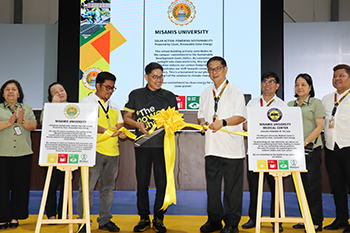 Turnover of solar energy management from WEGEN to MU |
Videos

|

|

|