

 40
YAKAP in MU
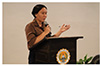
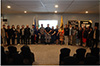
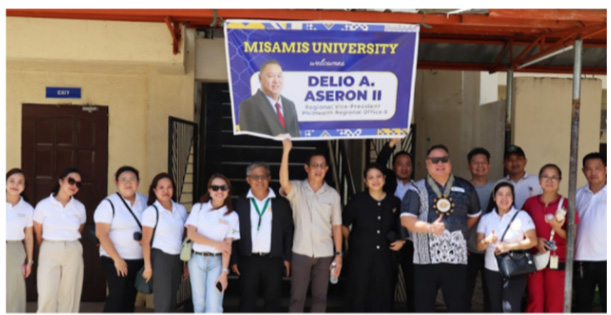
PhilHealth Regional Office 10 officially launched the YAKAP Clinic at Misamis University in Ozamiz City on Wednesday, March 4, 2025. Regional Vice President Delio A. Aseron II and OIC-Chief of LHIO-Ozamiz Gerion Cabang led the launch, with the full support of Misamis University President Dr. Karen Belina Feliciano De Leon. The establishment of the YAKAP Clinic aims to bridge gaps in healthcare access by providing more convenient outpatient services. The facility will cater not only to members of the university community but also to residents outside the campus.
In her message, Dr. De Leon emphasized the importance of accessible healthcare. “We all need to stay healthy, and with the help of this program, it is now easier for the community to avail themselves of healthcare benefits,” she said. The initiative underscores the institutions’ commitment to public service and strengthens their partnership in delivering responsive and accessible healthcare to the community.
NutriSHARE: Sustaining Health and Resilience through Education
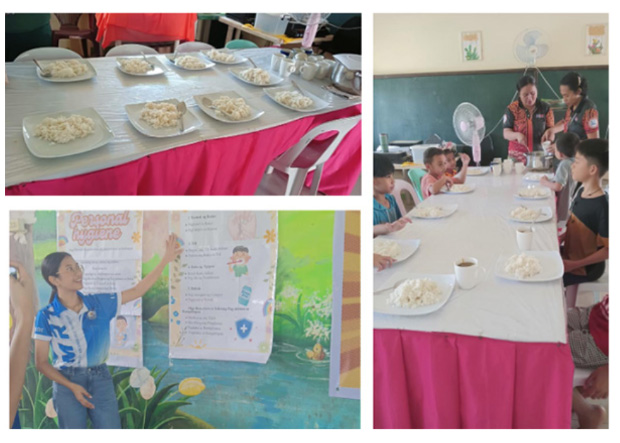
The program was launched on December 16, 2024, at Barra Elementary School in collaboration with various community extension initiatives of Misamis University. Guided by its mission to uplift communities, the extension program aims to enhance the quality of life and promote self- sufficiency through the transfer of knowledge, skills, and resources. Through needs-based planning, the program focuses on key areas such as health education, sanitation, nutrition, and emergency preparedness. These efforts contribute not only to improved public health outcomes but also to enhanced education, livelihood opportunities, and environmental management. The initiative also provides students with valuable hands-on experience, strengthening civic responsibility, social engagement, and community-centered development.
Other university departments complement these efforts by implementing programs addressing urgent community concerns, including disaster management and climate change awareness. In partnership with the MU-SHARE and the RAIN-SUN Program of the Colleges of Nursing, Midwifery, and Radiologic Technology, the team conducted nutrition-centered activities such as feeding sessions and health education on disease prevention and health promotion. The program also collaborated with the College of Agriculture for community gardening initiatives and with the Basic Education Department for literacy and tutorial support at Barra Elementary School.
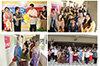
The Christmas season was celebrated through a gift-giving activity, where children received toys, school supplies, and clothing. Their joy was clearly reflected in their expressions and gestures. Parents likewise received used clothing, contributing to a meaningful and heartfelt holiday celebration for the community.
Misamis University’s Comprehensive Health Outreach Advancing SDG 3: Strengthening Community Well-Being Through Integrated Medical, Nutrition, and Oral Health Services
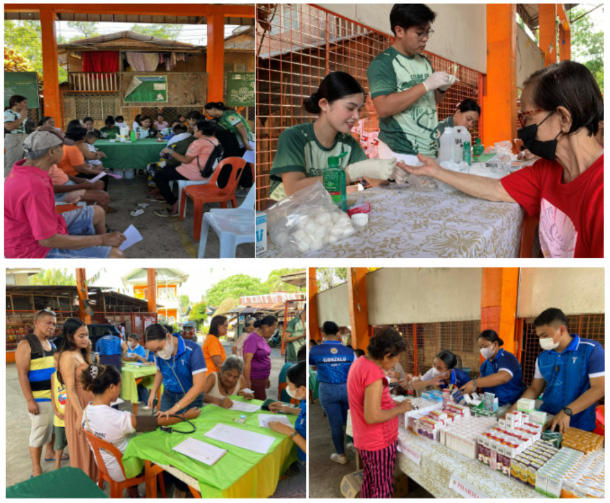
Misamis University (MU) continues to uphold its mission of addressing community needs by immersing students in meaningful, real-world service learning through annual extension programs that foster unity, collaboration, and improved well-being.
In both 2024 and 2025, MU conducted its yearly medical mission at the barangay Barra, Tudela, Misamis Occidental, where the College of Nursing, Midwifery, and Radiologic Technology provided essential primary health care services. A total of 109 patients in 2024 and 53 patients in 2025 received care, including vital signs monitoring and medicine distribution under the guidance of two attending physicians. Additionally, the Responsive Action for Integrated Nutrition–Sustainable and Unified Nutrition (RAIN-SUN) Program of the College implemented a comprehensive 120-day feeding initiative for undernourished children at Barra Elementary School. The program prioritized annual medical check-ups, milk and vitamin supplementation, and continuous nutrition monitoring to support the children's health and recovery. In partnership with the College of Agriculture, the program also provided seeds and planting materials, along with lectures on urban gardening. Vegetables grown from these initiatives were later used to support and sustain the feeding program.
Strengthening its diagnostic support, the College of Medical Technology conducted blood typing for 48 residents in 2024 and 29 residents in 2025, alongside random blood sugar testing for 25 individuals and hemoglobin testing for another 25. To address rising dengue cases in the province, the college also distributed 300 dengue awareness materials, promoting community-wide disease prevention. To improve child nutrition and support overall health, the College of Business and Management, in partnership with the Graduate School MBA Program, implemented a feeding initiative benefiting 169 pupils at Barra Elementary School. Students were served nutritious meals such as bread and arroz caldo enriched with egg and spring onions, helping strengthen immunity and reduce hunger-related learning barriers.
The College of Dentistry reinforced oral health advocacy through interactive CEPA IEC sessions for both children and parents. In 2024, the college distributed 35 dental kits to daycare and kindergarten pupils, and in 2025 performed tooth extractions for 25 elementary students and carried out fluoridation procedures to prevent dental caries. Additionally, in partnership with the Department of the Interior and Local Government (DILG), the college delivered Basic Oral Health training to 48 Barangay Health Workers in the Municipality of Jimenez, helping build local health capacity.
Collectively, these initiatives highlight MU’s holistic approach to community extension—integrating medical services, diagnostic testing, preventive health education, nutrition support, and oral health promotion. Through these coordinated efforts, MU not only strengthens student competencies in service-oriented practice but also contributes meaningfully to Sustainable Development Goal 3: Good Health and Well-Being, fostering healthier, more resilient communities in Misamis Occidental.
250 MU Volunteers Participate in the International Coastal Cleanup 2026
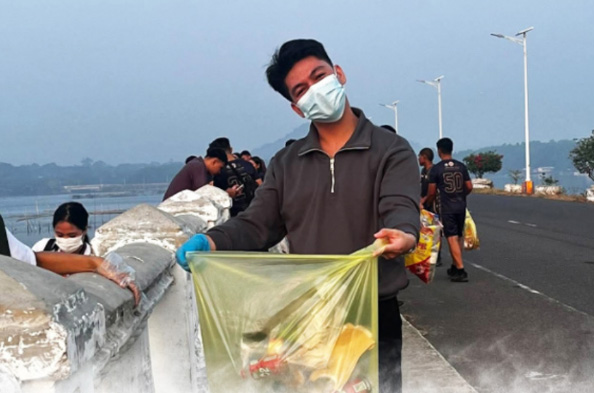
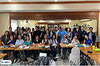
Misamis University (MU) volunteers joined hands with government agencies, other higher education institutions, and environmental organizations in the 2026 International Coastal Cleanup (ICC), demonstrating the University’s continued commitment to environmental stewardship and the Sustainable Development Goals (SDGs). With the theme “Clean Seas for Resilient Communities,” the activity was held on September 19, 2026, at Barangay Baybay Sta. Cruz and Baybay El Triunfo, Ozamiz City, in partnership with the City Government of Ozamiz through the Solid Waste Management Office (SWMO) and the Department of Environment and Natural Resources–CENRO Ozamiz City. The cleanup brought together 250 MU volunteers, including 100 third- and fourth-year students from the College of Criminology and 120 National Service Training Program (NSTP) students from the College of Agriculture and Forestry, College of Engineering and Technology, and College of Nursing, Midwifery and Radiologic Technology. Faculty and staff from the MU Bookstore, Registrar’s Office, MUCEP, and NSTP Coordinators, together with members of Misamis Occidental Volunteers for Environment (MOVE), MU Chapter, also took part in the initiative.
Working alongside volunteers from other higher education institutions in Ozamiz City, MU participants actively collected approximately 100 sacks of coastal wastes, including cellophanes, plastic packages, bottles, and other discarded materials. Beyond the numbers, the activity gave students experience of how everyday waste can affect coastal ecosystems, marine life, and the well-being of communities. The annual ICC strengthens awareness of responsible waste disposal, reduction of single-use plastics, proper waste management, and prevention of marine pollution. Through direct community participation, students are encouraged to turn environmental awareness into meaningful action. For MU, the initiative reflects its commitment to building a culture of sustainability through education, community engagement, environmental responsibility, and partnerships. It contributes to the achievement of the United Nations Sustainable Development Goals, particularly SDG 14 (Life Below Water), SDG 11 (Sustainable Cities and Communities), SDG 12 (Responsible Consumption and Production), and SDG 17 (Partnerships for the Goals).
Misamis University expresses its sincere appreciation to the City Government of Ozamiz, City Mayor Atty. Sam Norman G. Fuentes, Engineer Froilan A. Bondaco, Jr. of the Solid Waste Management Office, DENR-CENRO Ozamiz City, partner higher education institutions, environmental organizations, and all volunteers who made the ICC 2026 initiative possible. More than a cleanup, the participation of MU volunteers was a shared commitment to cleaner seas, resilient communities, and a more sustainable future.

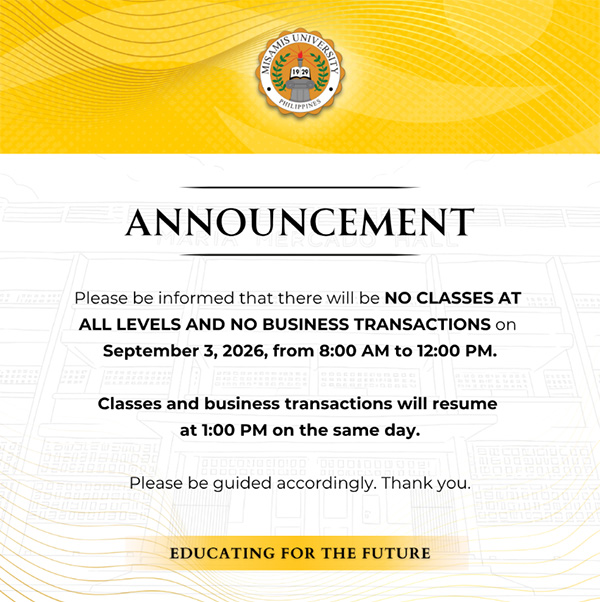
Announcement
|
|
|
Photo Gallery
 International Conference on Social Sciences 2026 |
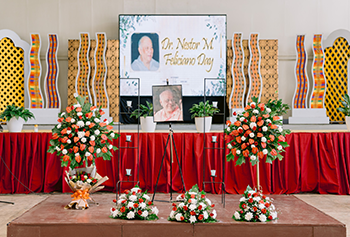 DR. NESTOR M. FELICIANO DAY |
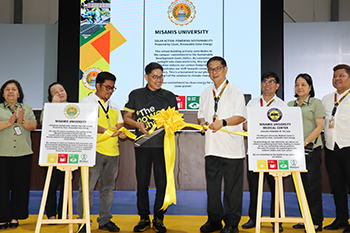 Turnover of solar energy management from WEGEN to MU |
Videos

|

|

|