

 28
Misamis University Strengthens Aquatic Ecosystem Conservation Through Watershed Management, Research, and Community Partnerships
Misamis University (MU) continues to demonstrate its commitment to the conservation and sustainable management of aquatic ecosystems through a comprehensive approach that integrates environmental governance, scientific research, community engagement, and multi-sectoral partnerships. Through its institutional policies, watershed rehabilitation programs, aquatic ecosystem monitoring initiatives, and collaborations with government agencies and local communities, the University actively contributes to the protection and restoration of freshwater, coastal, and marine ecosystems across Misamis Occidental and neighboring areas.
Recognizing the critical role of aquatic ecosystems in biodiversity conservation, water security, and community resilience, the University has established programs and strategies that minimize physical, chemical, and biological alterations to water bodies while promoting sustainable stewardship practices among stakeholders.
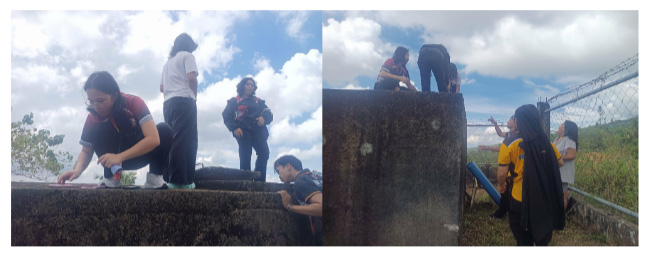
A key component of the University's environmental conservation efforts is the Save Labo River Program (SLRP), a long-term initiative dedicated to the conservation, protection, and rehabilitation of the Labo Watershed. Through this program, Misamis University conducts water quality monitoring, watershed assessments, reforestation activities, agroforestry development, and community-based watershed management interventions. These efforts help preserve freshwater habitats, improve watershed conditions, and sustain aquatic biodiversity within the river system.
The University's commitment is further strengthened through its continuing partnership with the Linusas-Laburak Cooperative (LILAC), a community organization established through the SLRP. Through this collaboration, MU provides technical assistance in water quality monitoring, watershed rehabilitation, and reforestation activities aimed at protecting the watershed that serves as the primary source of the LILAC water system. The partnership contributes to ensuring a sustainable water supply while fostering local stewardship and collective responsibility for natural resource management.
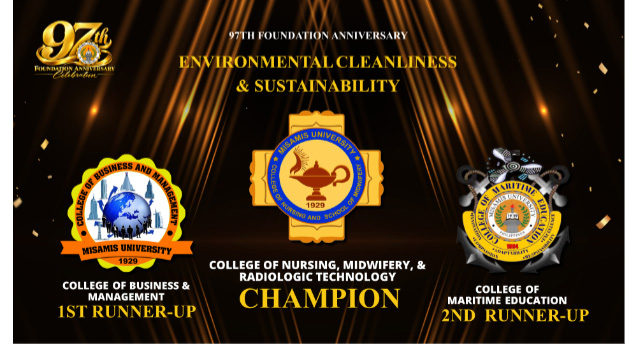
To minimize pollution and other adverse impacts on aquatic ecosystems, Misamis University has institutionalized environmental management measures through its Environmental Management Policy, Hazardous Waste Management Procedures Manual, and the appointment of an accredited and trained Pollution Control Officer (PCO). These measures ensure that solid and hazardous wastes generated by the University are properly managed and disposed of in accordance with environmental regulations, reducing the risk of contaminants entering nearby rivers, watersheds, and coastal waters. The University further promotes sustainable environmental practices through campus-wide initiatives such as the Environmental Cleanliness and Sustainability Award, which encourages responsible resource use and waste reduction during major university events.
Beyond watershed conservation, Misamis University systematically monitors the health and condition of aquatic ecosystems through regular environmental assessments. Under the Save Labo River Program, monitoring activities evaluate key water quality parameters such as pH, dissolved oxygen, turbidity, and nutrient concentrations. The University also conducts biodiversity assessments, riparian habitat evaluations, and ecosystem rehabilitation monitoring to determine ecological trends and guide appropriate conservation interventions. In collaboration with local government units, national government agencies, and community organizations, monitoring results are utilized to support research, environmental planning, and ecosystem management programs.
Misamis University also actively develops and supports programs that encourage good aquatic stewardship practices. Through participation in the Protected Area Management Boards (PAMB) of the Baliangao Protected Landscape and Seascape (BPLS) and the Bagumbang-Malaubang Mangrove Forest Reserve (BMMFR), as well as its involvement in the Iligan Bay Alliance of Misamis Occidental (IBAMO), the University contributes scientific expertise in biodiversity assessment, water quality monitoring, environmental planning, and policy development. The University also participates in research and extension initiatives supported by DOST- PCAARRD, particularly in strengthening community-based management of Marine Protected Areas (MPAs).
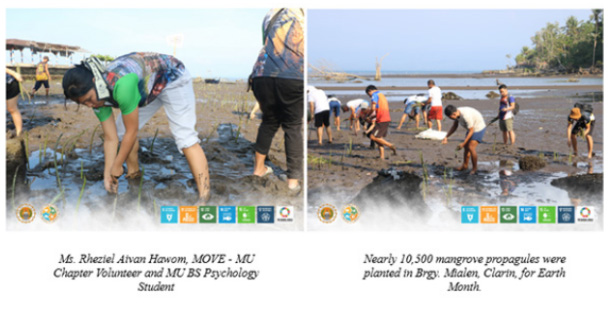
The University's environmental stewardship efforts extend to the wider community through the Misamis University Community Extension Program (MUCEP) and the Misamis Occidental Volunteers for Environment (MOVE). These initiatives engage students, faculty members, and partner communities in coastal and river clean-up activities, watershed and mangrove rehabilitation, tree-growing projects, and environmental education campaigns. Through these activities, MU cultivates environmental responsibility and promotes active participation in the protection of freshwater and marine resources.
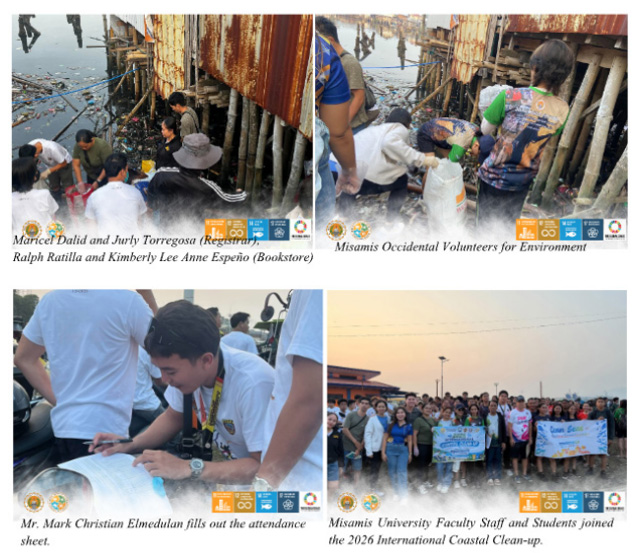
Collaboration remains a cornerstone of the University's aquatic ecosystem management strategy. Misamis University works closely with local government units, people's organizations, protected area management bodies, and national government agencies in implementing conservation and resource management initiatives. The University contributes technical expertise to coastal resource assessments, fisheries evaluations, biodiversity surveys, environmental planning, and policy formulation. Among its notable contributions is its participation in the development of the Ozamiz City Coastal Resource Management Plan, which supports community-based coastal monitoring and sustainable resource management practices. The University also plays an active role in regional environmental planning and governance. During the development of the Panguil Bay Integrated Area Development Master Plan (PBIADP), representatives from Misamis University participated in technical discussions addressing challenges and opportunities related to aquaculture, fisheries, post-harvest systems, habitat conservation, and ecosystem sustainability. Such engagements enable the University to support evidence-based policy development and community-centered approaches to aquatic resource management.
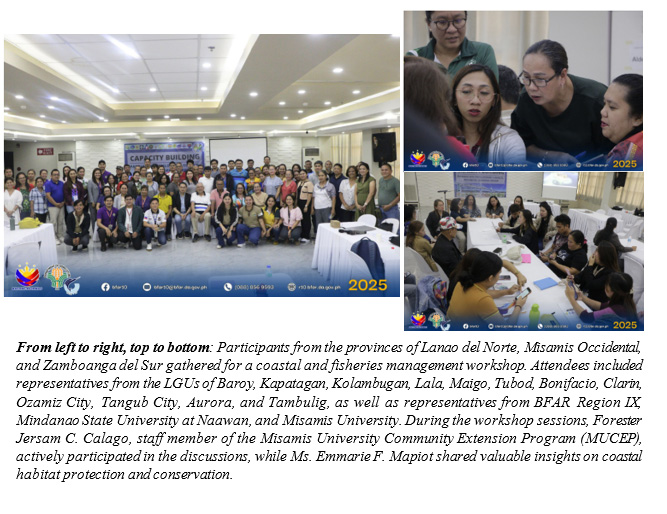
In coastal and marine ecosystems, Misamis University advances conservation efforts through the Coastal Resources Regeneration and Alternative Livelihood (CORRAL) Program, which supports coastal resource assessments, marine biodiversity research, ecosystem rehabilitation, and sustainable livelihood initiatives for coastal communities. The University’s active participation in the management of protected seascapes and mangrove ecosystems through its membership in the PAMB of BPLS and BMMFR further promotes ecosystem-based management approaches that recognize the location-specific diversity of aquatic species and habitats.
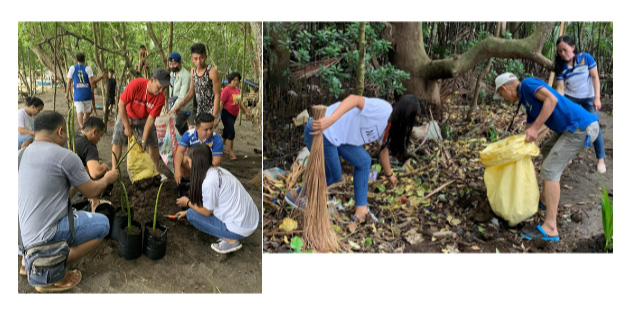
Through these integrated programs and partnerships, Misamis University has established a comprehensive watershed and aquatic ecosystem management strategy founded on scientific research, community participation, environmental stewardship, and biodiversity conservation. By aligning conservation interventions with the ecological characteristics of specific watersheds, rivers, coastal habitats, and marine ecosystems, the University continues to contribute significantly to the protection, restoration, and sustainable management of aquatic resources for present and future generations.

Announcement

|

|
|
Photo Gallery
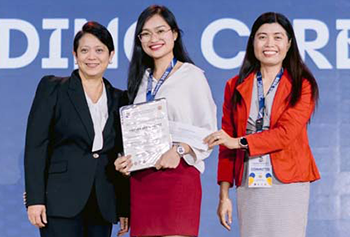 International Conference on Social Sciences 2026 |
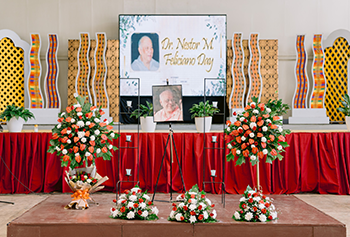 DR. NESTOR M. FELICIANO DAY |
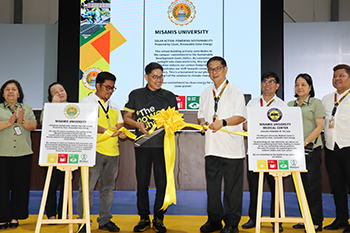 Turnover of solar energy management from WEGEN to MU |
Videos

|

|

|