

 27
Misamis University Strengthened Water-Sensitive Waste Disposal and Pollution Prevention Practices
Misamis University continues to strengthened its commitment to environmental sustainability and the protection of aquatic and marine ecosystems through comprehensive waste management policies, pollution prevention programs, and responsible resource stewardship.
Recognizing the significant impact of land-based pollution on rivers, coastal waters, and marine environments, the University has implemented strict measures to manage hazardous, infectious, and chemical wastes generated from academic and laboratory activities. In compliance with Republic Act 6969 (Toxic Substances and Hazardous and Nuclear Wastes Control Act), Republic Act 9275 (Philippine Clean Water Act of 2004), and Department of Environment and Natural Resources-Environmental Management Bureau (DENR-EMB) regulations, Misamis University enforces rigorous protocols on the segregation, labeling, storage, treatment, and disposal of hazardous materials.
Laboratory technicians work closely with the University's Pollution Control Officer (PCO) to ensure that chemical wastes, sharps, expired reagents, and M501 laboratory wastes are properly inventoried, stored in coded containers, and transported to accredited treatment, storage, and disposal facilities. Regular reviews of laboratory procedures and experiments are also conducted to minimize the use of toxic substances and promote safer alternatives whenever feasible.
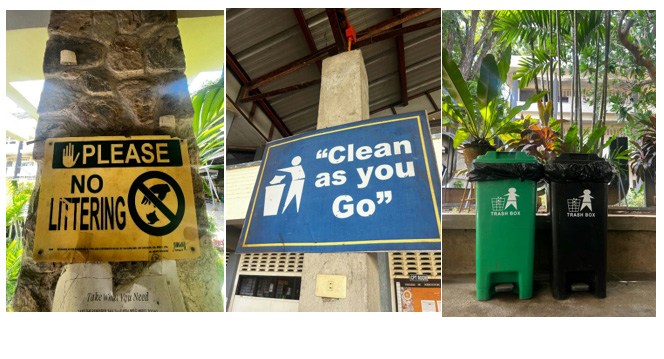
Beyond laboratory operations, the University has adopted institution-wide initiatives aimed at reducing pollution at its source. These include solid waste minimization programs, a No Plastics and No Styrofoam Policy, Clean As You Go (CLAYGO) practices, air pollution control measures, and Communication, Education, and Public Awareness (CEPA) campaigns that encourage environmentally responsible behavior among students, faculty, staff, and visitors.
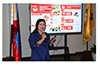
To further strengthen evidence-based environmental planning, Misamis University recently conducted a Waste Assessment and Characterization Study (WACS). The study generated critical data to support and enhance the University's Solid Waste Management Plan. Findings were presented to administrators, academic leaders, department heads, and external stakeholders, including vendors, food stall operators, cafés, canteens, carinderias, and restaurant owners. The activity emphasized the collective responsibility of both the campus and surrounding community in reducing waste generation and preventing plastic pollution from reaching waterways and marine ecosystems.
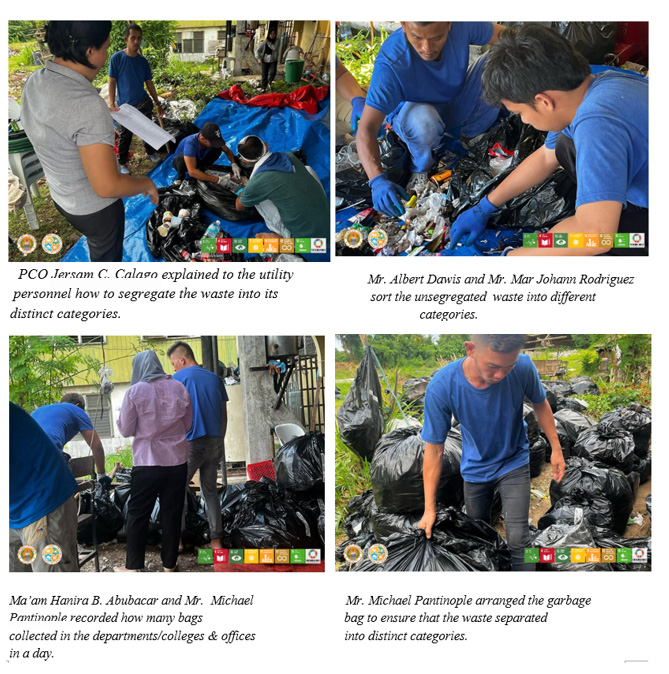
Central to the University's environmental strategy is its institutional action plan for reducing plastic waste generation. Through the implementation of the “No Segregation, No Disposal” policy, the campus community is required to practice proper waste segregation at source, reinforcing accountability and responsible waste disposal habits. The University also promotes sustainable consumption through its Bring Your Own (BYO) Reusable Container initiative, encouraging the use of tumblers, reusable food containers, and eco-friendly alternatives to single-use plastics. These efforts are complemented by environmental awareness campaigns, strategically placed waste segregation facilities, scheduled waste collection systems, and sustainability education programs that foster long-term behavioral change.
In addition to solid waste management initiatives, Misamis University maintains institutional policies and operational guidelines designed to protect water quality and prevent water pollution. The University's environmental management framework includes procedures for wastewater treatment, sanitation management, hazardous waste handling, and wastewater disposal, ensuring that campus activities do not negatively affect surrounding freshwater and marine environments.
As part of these efforts, the University regularly monitors and maintains its wastewater infrastructure, including septic tank systems and sanitation facilities, to minimize the release of untreated wastewater into the environment. Periodic assessments are conducted to identify opportunities for improvement, while infrastructure upgrades and corrective actions are implemented to enhance environmental performance and regulatory compliance. Through its continued investment in pollution prevention, sustainable waste management, wastewater control, and environmental education, Misamis University demonstrates its commitment to protecting water resources, reducing plastic pollution, and safeguarding aquatic ecosystems for present and future generations.
These coordinated initiatives contribute to a cleaner campus environment while advancing the University's broader mission of environmental stewardship, sustainable development, and responsible community engagement.

Announcement
|
|
|
Photo Gallery
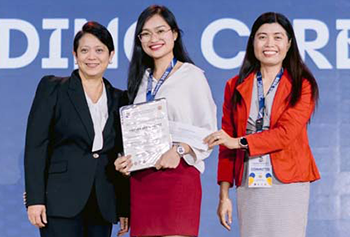 International Conference on Social Sciences 2026 |
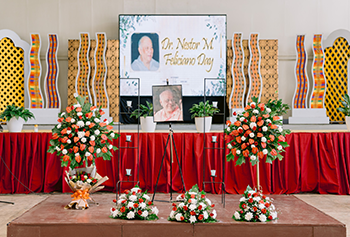 DR. NESTOR M. FELICIANO DAY |
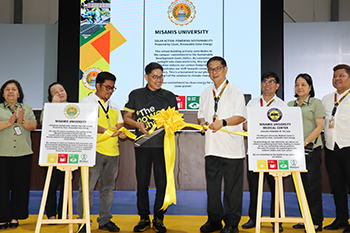 Turnover of solar energy management from WEGEN to MU |
Videos

|

|
|