

 30
Progress Report on SDG 14: Life Below Water for Academic Year 2025-2026
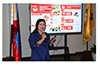
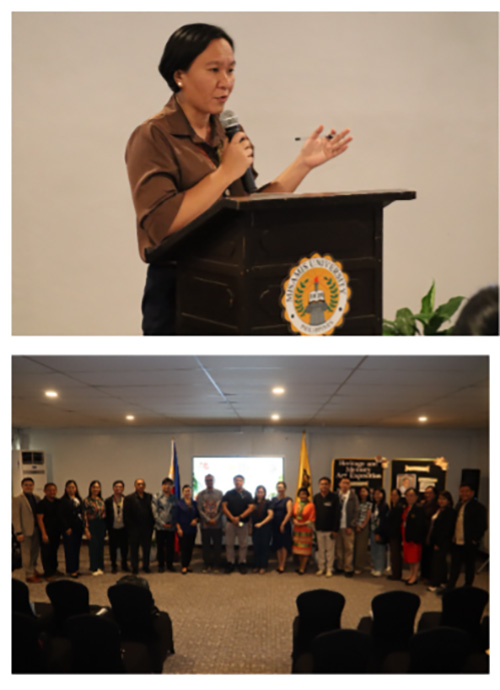
The report on SDG 14: Life Below Water was presented by Ms. Jersam Calago, Pollution Officer at Misamis University on October 30, 2026, during the 17 UN Sustainable Development Goals (SDG) Validation. Participants included deans, administrators, faculty members, students, stakeholders, alumni, and guests from the Department of Environment and Natural Resources Provincial Office, the Department of Agriculture-Ozamiz City, the Disaster Risk Reduction and Management Office (DRRMO)-Ozamiz City, the Economic Enterprise Development Office (CEEDO)-City Government of Ozamiz, the Tourism Office-Ozamiz City, and provincial and city libraries. The event was held at the Function Hall on the Misamis University campus in Ozamiz City.
The overall report is as follows:
Supporting Aquatic Ecosystems Through Education
Misamis University provides education and outreach on freshwater conservation, water management, sustainable fisheries, aquaculture, and coastal resource protection. Through the Mt. Malindang Biodiversity Protection and Capability Building initiative, the Save Labo River Program, and work in the Labo and Clarin River watersheds, the University engages communities, local governments, students, and people’s organizations in watershed conservation, water quality management, pollution prevention, and biodiversity protection. The Coastal Resources Regeneration and Alternative Livelihood (CoRRAL) Program delivers environmental education and community activities focused on marine conservation, waste management, mangrove rehabilitation, and sustainable livelihoods. The University also works with the Iligan Bay Alliance of Misamis Occidental (IBAMO) and the Protected Area Management Board of Baliangao Protected Landscape and Seascape (BPLS), where it chairs the Information, Education, and Communication Committee. These efforts promote awareness of overfishing, illegal and destructive fishing, and responsible use of marine resources.
Supporting Aquatic Ecosystems Through Action
The University organizes and supports conferences, research colloquia, and community initiatives that share knowledge on biodiversity, climate change, and aquatic conservation. Its International Conference on Biodiversity and Climate Change and student research on Panguil Bay and Clarin River water quality contribute to discussion and awareness of aquatic ecosystem health.
Misamis University also works with government agencies, protected-area bodies, local governments, and communities on research, environmental monitoring, habitat restoration, and ecosystem-based management. Initiatives include watershed rehabilitation and biodiversity monitoring through the Save Labo River Program, coastal and marine resource assessments, and support for marine protected area management.
To encourage sustainable seafood consumption, the University established a campus policy in 2024 requiring concessionaires to source aquatic products legally and in line with applicable fisheries regulations, including relevant BFAR rules. The policy was reviewed in 2025.
Water-Sensitive Waste Disposal
The University reports implementing wastewater-management procedures to protect water quality and public health. Measures include maintaining sanitation infrastructure, regular septic tank desludging, and compliance with applicable DENR-EMB requirements. Its waste-reduction efforts include mandatory waste segregation, the “No Segregation, No Disposal” policy, reusable-container initiatives, recycling and composting, a Materials Recovery Facility, and No Plastics and No Styrofoam measures. The University also applies Clean As You Go practices and procedures for hazardous, infectious, and chemical waste. These measures aim to reduce land-based pollution that can reach rivers and marine environments.
The University’s pollution-prevention policy dates to 2002 and was reviewed in 2025. Findings from its 2026 Waste Assessment and Characterization Study informed further waste-reduction measures, including policies on disposable-item minimization and waste measurement and diversion.
Maintaining and Monitoring Local Aquatic Ecosystems
Misamis University works with local partners to monitor and protect aquatic ecosystems. Through its participation in the BPLS Protected Area Management Board, the University contributes to water-quality and biodiversity monitoring and assists the Protected Area Management Office with testing and assessment. It also supports coastal resource planning in Ozamiz City, collaborates through IBAMO, and participates in research on marine protected areas in the Zamboanga Peninsula.
The University’s stewardship programs include coastal and river cleanups, watershed and mangrove rehabilitation, environmental education, and community engagement through the Misamis University Community Extension Program and Misamis Occidental Volunteers for Environment. Its partnerships include the Baliangao Protected Landscape and Seascape, Bagumbang-Malaubang Mangrove Forest Reserve, and local communities and people’s organizations.
Location-specific initiatives include the Save Labo River Program, watershed rehabilitation with the Linusas-Laburak Cooperative, biodiversity and habitat work in Mt. Malindang Range Natural Park, and coastal conservation through CoRRAL.
Overall Assessment
Misamis University demonstrates a broad, collaborative approach to SDG 14 through aquatic ecosystem education, community outreach, research, pollution prevention, water-quality and biodiversity monitoring, and watershed and coastal restoration. Its partnerships with government agencies, protected-area bodies, local governments, and community organizations strengthen these efforts.

Announcement
|
|
|
Photo Gallery
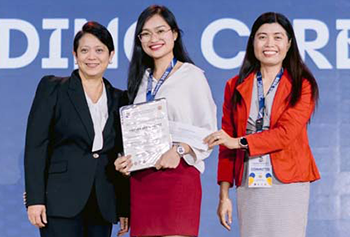 International Conference on Social Sciences 2026 |
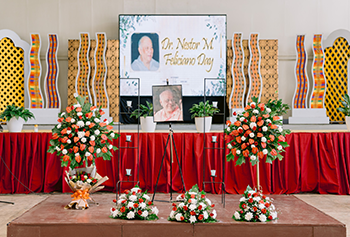 DR. NESTOR M. FELICIANO DAY |
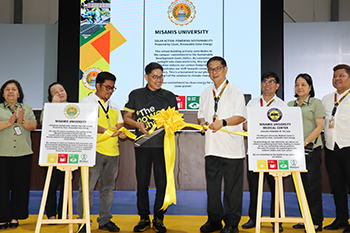 Turnover of solar energy management from WEGEN to MU |
Videos

|

|

|