 30
Misamis University Preserves Subanen Heritage and Local Culture
Misamis University supports the documentation and preservation of intangible cultural heritage, including the traditions, language, knowledge, and histories of local and Indigenous communities. Through research projects, conferences, training programs, and symposiums, the university helps record cultural practices and share findings with wider audiences. Its work includes an ethnographic study of the Subanen people of the Zamboanga Peninsula, with research outputs preserved in Misamis University and Komisyon sa Wikang Filipino databases for future reference.
Misamis University Documents and Preserves Subanen Material and Non-Material Culture Through Research Grants from the Komisyon sa Wikang Filipino
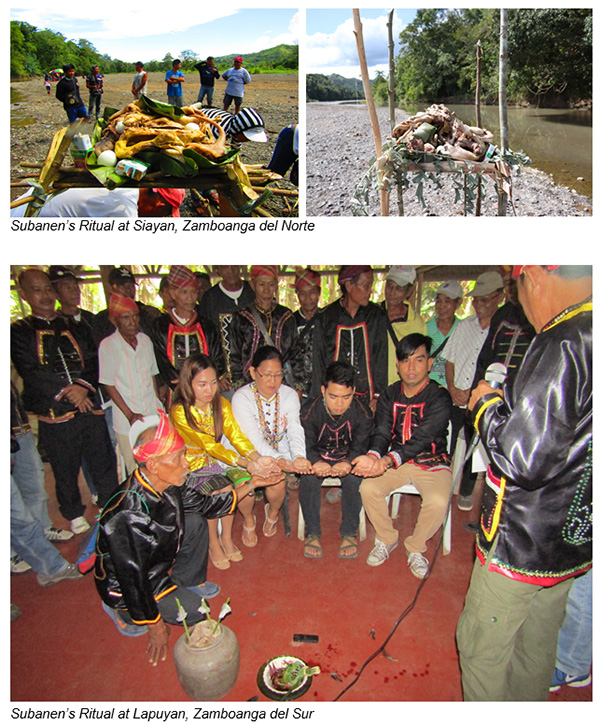
Misamis University has undertaken research to document the material and intangible culture of the Subanen, an Indigenous people of Misamis Occidental and the Zamboanga Peninsula. The research has been supported by grants from the Komisyon sa Wikang Filipino (Commission on the Filipino Language). The KWF-funded project covers selected sites across the peninsula, including Labuan, Masalag, and Limpapa in Zamboanga City; Sitio Lanote, Barangay Bongalao, Lintangan, and Sibuco in Zamboanga del Norte; Siayan in Zamboanga del Norte; Lapuyan in Zamboanga del Sur; Kabasalan in Zamboanga Sibugay; and Aloran in Misamis Occidental.
This project investigates and documents the Subanen’s culture across the life cycle, from birth to death. It examines:
1. The geography, topography, population, and climate of the areas where the Subanen live;
2. Subanen identity, settlement patterns, population distribution, the ethnolinguistic composition, and migration within and into the region;
3. The current linguistic situation and the phonology of the Subanen varieties spoken across the Zamboanga Peninsula, including varieties distinguished by the presence or absence of a schwa sound;
4. Community structure, family relationships, and marriage customs and practices;
5. Governance structures and systems, social norms and customs, and unwritten laws;
6. Livelihoods, farming, including swidden agriculture, hunting, and present-day working conditions;
7. Religious beliefs and practices;
8. Material and non-material culture and traditions;
9. Life-cycle customs and beliefs, including pregnancy, childbirth, adolescence, death, and burial;
10. The Subanen’s engagement with mainstream society, including education, health, transportation, communication, and Philippine politics; and
11. Their responses to their social conditions and linguistic situation.
Dr. Lloyd Ranises headed the project. His team included Dr. Cynthia S. Superable, then Vice President for Academic Affairs; Mrs. Eusmel Cericos, then a faculty member of the College of Arts and Sciences; and Mr. Bobby Alaman of the Misamis University Community and Extension Program (MUCEP). The project followed government protocols and ethical standards. It applied for and obtained Certificates of Precondition from the National Commission on Indigenous Peoples (NCIP) through the relevant regional offices. These included the NCIP Regional Office in Cagayan de Oro City, which covers Misamis Occidental, and the NCIP Regional Office in Zamboanga del Sur, which covers Zamboanga del Norte, Zamboanga del Sur, Zamboanga Sibugay, and Zamboanga City. The relevant provincial offices were consulted and coordinated with during the application process.
During the Certificate of Precondition process, the communities in the selected sites were invited to participate voluntarily in the project, with the assistance of the respective NCIP provincial offices. After the project received its Certificate of Precondition, fieldwork began to collect data. Fieldwork was conducted in Labuan on December 4–5, 18–21, and 28–29, 2018, and January 1–2 and 15–19, 2019; in Siayan on December 6, 10–11, and 15–16, 2018, and January 31–February 3, 2019; in Lapuyan on October 8–9 and 16, 2018, and February 6–10, 2019; in Kabasalan on August 30–31 and October 29–30, 2018, and January 23–26, 2018; and in Aloran on December 18, 2018, and February 25–29, 2019.
The extensive data collected through this project are held by KWF and Misamis University. They currently serve as reference materials for the University’s Subanen-related activities and support its efforts to integrate Subanen culture into the curriculum for the benefit of the wider community. The data also provide the Subanen community with resources to teach Subanen children and community members throughout the Zamboanga Peninsula. Misamis University has made a significant effort to document Subanen culture and support its preservation through future teaching and publications for the University and the community. This project, along with the University’s continuing efforts, demonstrates its commitment to using its resources and the expertise of its researchers and faculty to serve the community. It also contributes to a deeper understanding of community life and supports the Subanen people, an Indigenous minority group. By preserving and sharing Subanen knowledge, these materials help strengthen cultural identity, support the continuity of the Subanen language and traditions, and enrich the Philippines’ diverse cultural heritage.
Misamis University Takes a Leading Role in Cultural Documentation and Preservation Through Conferences, Training, and Symposia
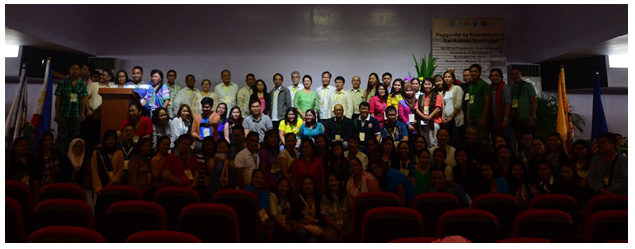
Misamis University has taken a leading role in documenting and preserving culture by hosting the 26th National Conference of ADHIKA, the Ang mga Dalubhasa, may Hilig at Interes sa Kasaysayan ng Pilipinas [Experts and Enthusiasts of Philippine History], on November 27–29, 2025. The conference was held at the University Auditorium on the campus in Ozamiz City, in collaboration with ADHIKA. Dr. Karen Belina F. De Leon, University President, welcomed the participants. Welcome messages were also delivered by G. Ryan V. Palad, President of ADHIKA; Dr. Zenaida G. Gersana, CESO III, Director IV of CHED Region X; and Dr. Jonathan S. Dela Peña, Superintendent of the Schools Division of Misamis Occidental. Participants attended from various parts of the Philippines.
Dr. George Aseniero of the University of the Philippines Diliman delivered the conference’s keynote address. The papers presented at the conference included:
1. Panghimanwa at Pagdumalahan: Ang Pag-uugat at Pagsisiyasat Ukol sa Pag-aaral ng mga Kagawaran at Kagampan ng Paglilingkod-bayan sa Pilipinas [Public Administration and Governance: Tracing and Investigating the Study of Government Departments and Public Service in the Philippines], by Vicente C. Villan, PhD, University of the Philippines Diliman;
2. Ang Philippine National Guard, si Tomas Claudio at ang USS Rizal: Ang Pilipinas sa Unang Digmaang Pandaigdig [The Philippine National Guard, Tomas Claudio, and the USS Rizal: The Philippines in World War I], by Ricardo Trota Jose, PhD, University of the Philippines Diliman;
3. Ang Bureau of Constabulary sa Morong Noong Ikalawang Digmaang Pandaigdig [The Bureau of Constabulary in Morong During World War II], by Analyn B. Muñoz, University of the Philippines Diliman;
4. Institusyon ng Pananampalatayang Misamisnon [The Institution of Misamisnon Faith], by Rev. Fr. Lhem J. Naval, DCO, St. John Paul College Seminary, Ozamiz City;
5. Irigasyon Nasareno Gamutan: Isang Pangkasaysayang Pag-unawa sa Konsepto ng Pampamayanang Pag-unlad ng Plaridel, Misamis Occidental [Nasareno Gamutan Irrigation: A Historical Understanding of the Concept of Community Development in Plaridel, Misamis Occidental], by Lloyd B. Ranises, Misamis University;
6. Medico, Cirujano, Duktor: Kasaysayan ng Panggagamot ng Philippine College of Surgeons [Physician, Surgeon, Doctor: A History of the Philippine College of Surgeons], by Jaime B. Veneracion, PhD, Samahang Pangkasaysayan ng Bulacan;
7. Philippine Weather Bureau: Institusyong Pang-agham sa Kolonyal na Pilipinas, 1901–1942 [The Philippine Weather Bureau: A Scientific Institution in Colonial Philippines, 1901–1942], by Kerby C. Alvarez, University of the Philippines Diliman;
8. Ang Paseguruhan ng mga Naglilingkod sa Pamahalaan sa Kamay ng Dalawang Tayabasin (1936–1946) [The Government Employees’ Insurance System in the Hands of Two Tayabasin Officials (1936–1946)], by Raymundo Andres V. Palad, GSIS Museum, Pasay City;
9. Ang Bank of the Philippine Islands at Philippine National Bank: Kasaysayan ng mga Institusyong Pampinansiya sa Pilipinas [The Bank of the Philippine Islands and the Philippine National Bank: A History of Financial Institutions in the Philippines], by Randy M. Madrid, PhD, University of the Philippines Visayas, Iloilo City;
10. Kawanggawa at Kagandahang-loob sa Kabila ng Iskandalo: Mga Asilo (Ampunan) Noong Huling Hati ng Dantaon 19 Hanggang Maagang Bahagi ng Dantaon 20 [Charity and Benevolence Amid Scandal: Orphanages from the Late 19th to the Early 20th Century], by Lars Raymund C. Ubaldo, PhD, De La Salle University, Manila;
11. Ang Bilangguan sa Pilipinas sa Konteksto ng Kolonyalismong Amerikano [Prisons in the Philippines in the Context of American Colonialism], by Aaron Abel T. Mallari, University of the Philippines Diliman;
12. La Solidaridad at ang “Katamaran” ng mga Pilipino [La Solidaridad and the “Laziness” of the Filipinos], by Rhodalyn C. Wani-Obias, University of the Philippines Diliman;
13. Ang mga Pensionado sa UP Kolehiyo ng Agrikultura at Paggugubat, 1920–1946 [The Pensionados at the UP College of Agriculture and Forestry, 1920–1946], by Roberto Mata, University of the Philippines Los Baños;
14. Ang Pagsibol ng Isang University Town: Ang Kaso ng Lungsod ng Baguio [The Rise of a University Town: The Case of Baguio City], by Charita Arcangel delos Reyes, PhD, University of the Philippines Baguio;
15. Ang KWF Mula 1936: Moog at Tanggulan ng Wikang Pambansa [The KWF Since 1936: A Fortress and Defender of the National Language], by Edna M. Manginsay, PhD, Mindanao State University–Marawi;
16. Ang Simbahan sa Panahon ng Pagbabago, 1898–1935 [The Church During a Period of Change, 1898–1935], by Maria Bernadette L. Abrera, PhD, University of the Philippines Diliman; and
17. Ang Impak ng Kilusang Panlipunan sa mga Institusyon ng Pagkabansa [The Impact of the Social Movement on Institutions of Nationhood], by Ferdinand C. Llanes, PhD, University of the Philippines Diliman.
These papers were published in a book by ADHIKA and the National Commission for Culture and the Arts (NCCA). The book was edited by Ryan V. Palad, president of ADHIKA, and Lloyd B. Ranises of Misamis University. The book is currently being distributed to libraries throughout the Philippines, including the National Library of the Philippines and the Misamis University Library. The book containing the research papers presented at the conference held in the Misamis University Library helps to preserve the cultural knowledge shared at the event. It gives students and community members an opportunity to learn about this knowledge, use in their studies, and share it with others. By organizing the conference and publishing the book, Misamis University demonstrates its commitment to preserving Filipino culture. These efforts help safeguard cultural knowledge and make it accessible to the community. By learning about their culture and history, community members can develop a better understanding of one another.
Another conference hosted by Misamis University was the 16th Philippine-Spanish Friendship Day Conference. It was held in collaboration with the National Historical Commission of the Philippines from August 23 to 25, 2018, at the University Auditorium on the university’s campus in Ozamiz City. Dr. Karen Belina F. De Leon, the University President, welcomed the participants. Dr. Rene R. Escalante, Chair of the Commission, also delivered a welcome message, which was read on his behalf. Carlos Alvarez-Piñer Madrid, PhD, of the Instituto Cervantes de Manila, presented a keynote entitled “Research, Commemoration, and History in the Context of Promoting Cultural Tourism.” Other papers presented at the conference included:
1. Lino L. Dizon, PhD, of Tarlac State University, “Vuestra Prisión: Memoirs of Spanish Friar-Prisoners and Philippine Revolutionary Historiography.”
2. Jose Rhommel B. Hernandez, PhD, ¬of De La Salle University–Manila, “Pag-aangkin o Pagwawaksi: Mga Pagtanaw sa Pananampalatayang Pilipino ng Ika-19 Dantaon” [Claiming or Rejecting: Perspectives on Filipino Religious Belief in the 19th Century].
3. Jose Victor Z. Torres, PhD, of De La Salle University–Manila, “The Clandestine Press: The Katipunan’s Kalayaan and the Philippine Revolution of 1896.”
4. Faina C. Abaya-Ulindang, PhD, a retired professor at Mindanao State University–Marawi, “The Spanish Clergy in Mindanao as Prisoners of War, 1896–1900.”
5. Lloyd B. Ranises, PhD, of Misamis University, “Visayan-Spanish Relations: Fortification, Reducción, and Revolution in the Distrito de Misamis, 1836–1898.”
6. Maria Cecilia B. Tangian, PhD, of MSU–Iligan Institute of Technology, “Yligan Como Pueblo, 1838–1898.”
7. Randy M. Madrid, PhD, of the University of the Philippines Visayas in Iloilo City, “Pagtatakda ng Visaya at Mindanao sa Relasyong Filipino-Espanyol sa Panahon ng Himagsikan: Ang Iloilo at Zamboanga Bilang mga Huling Kabisera ng Pamahalaang Lokal” [The Positioning of the Visayas and Mindanao in Filipino-Spanish Relations during the Revolution: Iloilo and Zamboanga as the Last Capitals of Local Government].
8. Sharon O. Bulaclac of Mindanao State University–Marawi, “The Lumad Experience in the Nineteenth Century: A Case of Compassion and Goodwill toward the Spanish Missionaries during the Philippine Revolution.”
9. Manuel R. Tawagon, a retired professor at Mindanao State University–Marawi and the University of the Philippines Diliman, “Datu Akadir Akobar and the Spanish Governor-General: A Display of Will and Determination.”
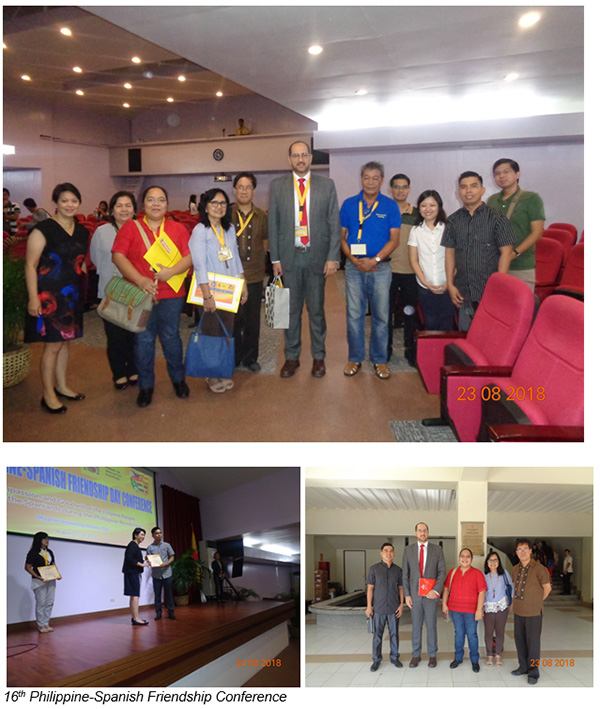
Conferences supported by the NHCP provide opportunities for papers to be published in conference proceedings or related books. One publication resulting from the conference was “A Study of Visayan Migrations in Langáran Using Spanish Documents, 1830–1898,” by Lloyd B. Ranises of Misamis University. The study was included in Reexamining the History of Philippine-Spanish Relations
This publication helps preserve cultural and historical knowledge for future generations. Copies have been distributed across the Philippines and are available at the National Library of the Philippines and the Misamis University Library. This initiative helps preserve cultural heritage by documenting it in print. The book, available at the Misamis University Library, gives students and community members access to this history. In this way, Misamis University contributes to the preservation of cultural heritage and helps ensure that future generations can learn about it. In addition to its efforts to preserve culture, Misamis University provides training that enables local culture, knowledge, and experiences to be presented, documented, and shared. On May 13–15, 2016, the University conducted a training program for teachers from the Department of Education Divisions of Ozamiz City and Misamis Occidental. Held at Misamis University Manor, the program focused on the K–12 history courses. It was entitled Eskwela sa Tag-init and carried the theme, “Paggamit ng Pangkasaysayang Pananaw sa Pagtuturo ng mga Kursong Nasa K-12 Curriculum ng mga Usaping Pambansa at Pandaigdig sa Dantaon 21” [Using a Historical Perspective in Teaching K–12 Curriculum Courses on National and Global Issues in the 21st Century].
Public school teachers from the Department of Education divisions of Ozamiz City and Misamis Occidental participated in the conference. The main presentations were delivered by the following speakers:
1. Isyu at Hamon ng Globalisasyon [Issues and Challenges of Globalization] by Mark Anthony Velasco, PhD, De La Salle University, Manila
2. Ang Balangkas at Nilalaman ng Batayang Aklat Alinsunod sa K–12 [The Framework and Content of the K–12 Textbook] by Joel C. Malabanan, Philippine Normal University, Manila
3. Ang Balangkas at Nilalaman ng Batayang Aklat para sa Kontemporaryong Isyung Pandaigdig Alinsunod sa K–12 [The Framework and Content of the Textbook on Contemporary Global Issues under the K–12 Curriculum] by Portia R. Soriano, Philippine Normal University, Manila
4. Pagsusuri sa mga Pangkasaysayang Nilalaman ng mga Teksbuk sa Kasaysayan ng Pilipinas, mga Isyung Pangkapaligiran, Pangkaunlaran, at Pangkabuhayan [Analysis of the Historical Content of Textbooks on Philippine History and Environmental, Development, and Economic Issues] by Vicente C. Villan, PhD
5. Isyung Bangsamoro [The Bangsamoro Issue] by Zainal Kulidtod, PhD, Mindanao State University–Marawi
6. Pagsusuri sa mga Pangkasaysayang Nilalaman ng mga Teksbuk sa Kasaysayan ng Pilipinas, mga Isyung may Kaugnayan sa Kakanyahang Pambansa, Kasarian, at Pagkatao [Analysis of the Historical Content of Textbooks on Philippine History and Issues Related to National Identity, Gender, and Personhood] by Faina C. Abaya-Ulindang, PhD, retired professor at MSU–Marawi.
The speakers’ feedback and interaction helped participants identify topics relevant to the prescribed content of DepEd textbooks. They also helped teachers make sense of local concerns and culture and consider how to incorporate them into their daily K–12 classroom instruction, in alignment with current trends discussed during the training. Through this training, Misamis University emphasized the importance of local issues and culture that teachers encounter. It equipped them to address these topics appropriately and integrate them into their history lessons. By connecting local culture with contemporary issues and everyday experiences, the university also helped teachers recognize the value of preserving cultural traditions that are significant to their communities.
Furthermore, Misamis University has frequently held symposiums for its students on Subanen culture. On February 24, 2011, the university held a symposium entitled “Unraveling the Traditional Practices of the Subanen: Key to Awareness and Understanding the Lumads in Misamis Occidental.” The event was part of the celebration of the 20th National Arts Month, which had the theme “Ani ng Sining.” It took place at the Natural Science Building on the university campus in Ozamiz City. Lastly, Misamis University held another symposium on Subanen culture, entitled “Symposium on the Culture of the Indigenous Peoples in the Philippines,” in May 2023. The symposium was part of the 33rd MURSO Festival, which had the theme “Beyond Borders: Students Today, Leaders Tomorrow.” It was held at the covered court on the Misamis University campus in Ozamiz City. Through these symposia, Misamis University demonstrates its commitment to studying, learning about, understanding, and preserving Subanen culture and other local cultures. These activities help students and community members learn and appreciate Subanen culture. They also contribute to building a more informed and culturally aware university and wider Ozamiz City community.
Overall, through its regular conferences, training sessions, and symposia on culture for a wide range of participants, including academics, public school teachers, students, and people interested in history and local communities, Misamis University has helped document and preserve local cultures. These activities also remind people of the importance of these cultures and encourage them to learn about and understand them. In turn, they foster greater understanding, unity, and harmony within the university community, Ozamiz City, and the country as a whole.

Announcement
|
|
|
Photo Gallery
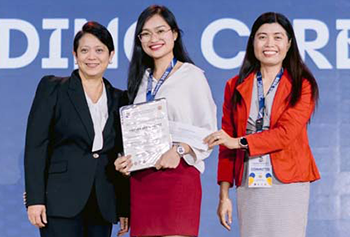 International Conference on Social Sciences 2026 |
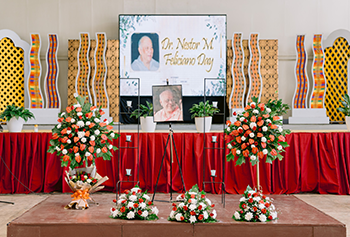 DR. NESTOR M. FELICIANO DAY |
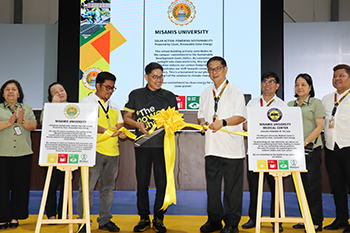 Turnover of solar energy management from WEGEN to MU |
Videos

|
|

|