

 29
Progress Report on SDG 15: Life on Land for Academic Year 2025-2026
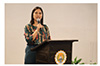
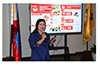
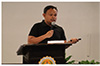
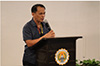
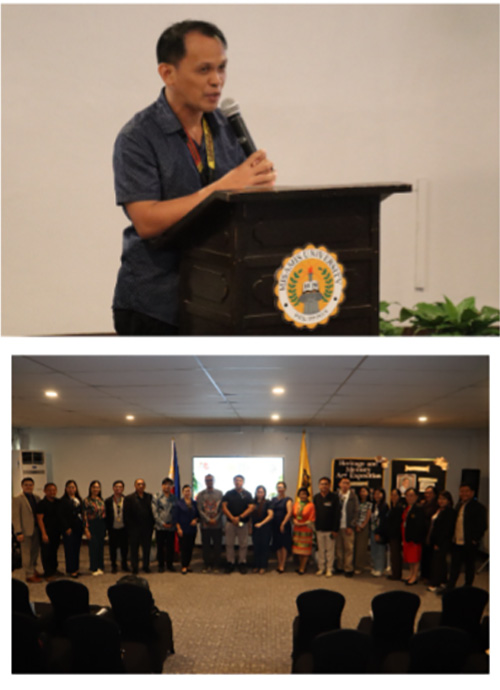
The SDG 15: Life on Land report is scheduled to be presented by Mr. Bobby Alaman, a staff member of Misamis University’s Community Extension Program, on October 30, 2026, during the 17 UN Sustainable Development Goals (SDG) Validation. Participants included deans, administrators, faculty members, students, stakeholders, alumni, and guests from the Department of Environment and Natural Resources Provincial Office, the Department of Agriculture-Ozamiz City, the Disaster Risk Reduction and Management Office (DRRMO)- Ozamiz City, the Economic Enterprise Development Office (CEEDO)-City Government of Ozamiz, the Tourism Office-Ozamiz City, and provincial and city libraries. The event was held at the Function Hall on the Misamis University campus in Ozamiz
The overall report is as follows:
Conservation Events and Ecosystem Restoration
In 2026, Misamis University (MU) planted 665 Philippine-native trees and 11,500 Bakauan mangroves in Misamis Occidental. The University also maintained its Narra and three-hectare Falcata plantations. Through events such as the 4th International Conference on Biodiversity and Climate Change, 1st IConSS 2026, Earth Day, and World Water Day activities, MU promotes conservation and responsible use of natural resources.
Sustainable Agriculture and Campus Food
MU supports sustainable food production through two instructional farms that use climate-smart, organic, and biodiversity-friendly practices. The farms supply bananas, pork, poultry, and rice for the campus. The University’s 2025 sustainable food policy links responsible procurement with practical learning in agriculture and agricultural engineering. The policy is scheduled for review every two years.
Biodiversity Education, Research, and Community Outreach
MU provides free public education on biodiversity and ecosystems through events, online communications, storytelling, and community programs. Its Biology, Agriculture, Agricultural and Biosystems Engineering, and Hospitality Management programs also prepare students for work in conservation, sustainable land management, and responsible tourism. Community initiatives include gardening demonstrations at Misamis Annex Integrated School, hydroponics training for 57 community members, and the 2025 Gulayan sa Barangay program, which engaged 80 participants. MU also runs ecotourism training for tourism stakeholders in the Mt. Malindang area.
Protected Areas and Community Partnerships
The University contributes to conservation in Mt. Malindang Range Natural Park, Baliangao Protected Landscape and Seascape, and Bagumbang-Malaubang Mangrove Swamp Forest Reserve. As a member of their Protected Area Management Boards, MU works with the DENR, local governments, non-government organizations, and communities on conservation planning and public education. The University also supports biodiversity research, conservation policy development, and ecosystem restoration.
Policies for Ecosystem Protection
MU’s policies and research priorities address terrestrial ecosystem conservation, threatened species, biodiversity-sensitive campus planning, and invasive species management. The Research Agenda for 2024–2026 prioritizes biodiversity, watershed protection, sustainable land use, and ecosystem restoration. The invasive species policy was issued in January 2024 and reviewed in September 2026.
Pollution Prevention and Responsible Waste Management
The University applies water and wastewater management guidelines and monitors compliance through its Pollution Control Officer. Its waste programs include source segregation, composting, recycling, a Materials Recovery Facility, and a ban on single-use plastics and Styrofoam. A 2026 waste characterization assessment will help inform future waste-reduction measures. Hazardous waste is managed under the University’s plan and applicable environmental requirements.
Overall Assessment
Misamis University demonstrates broad progress on SDG 15 through conservation activities, research, education, sustainable agriculture, community engagement, and environmental policies. Its partnerships with protected-area managers and local stakeholders strengthen shared responsibility for biodiversity and ecosystem health.

Announcement

|
|
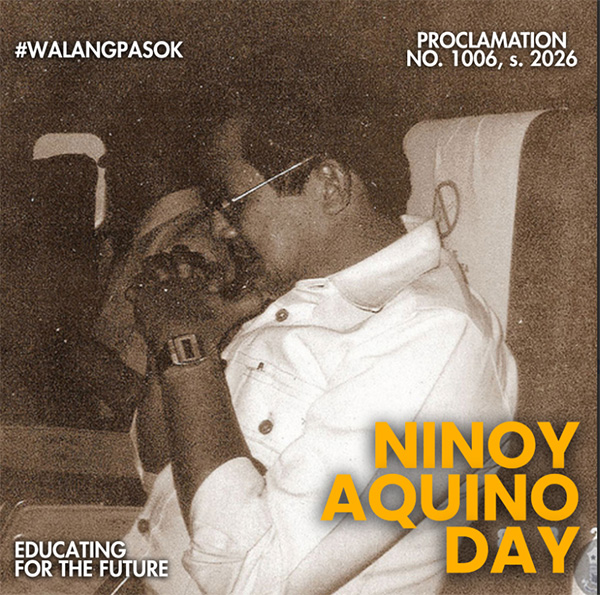
|
Photo Gallery
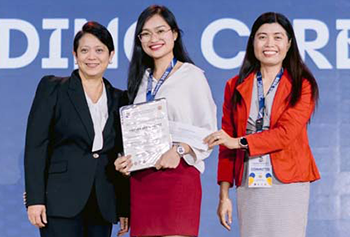 International Conference on Social Sciences 2026 |
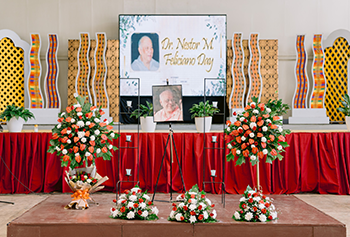 DR. NESTOR M. FELICIANO DAY |
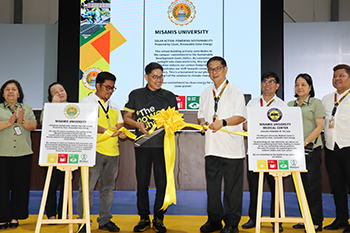 Turnover of solar energy management from WEGEN to MU |
Videos

|

|

|