

 30
Advancing SDG 14 through Environmental Education and Aquatic Ecosystem Conservation at Misamis University
Misamis University demonstrates its commitment to Sustainable Development Goal 14 (Life Below Water) through educational programmes, community outreach, research, and collaborative initiatives that promote the protection and sustainable management of freshwater, coastal, and marine ecosystems. Through its environmental conservation and community extension activities, the University works with local communities, government agencies, fisherfolk organizations, and other stakeholders to strengthen environmental awareness, build local capacity, and encourage responsible use of aquatic resources. These initiatives support SDG Target 14.2 by promoting ecosystem conservation, pollution prevention, biodiversity protection, and sustainable resource management.
Promoting Freshwater Ecosystem Conservation and Water Stewardship
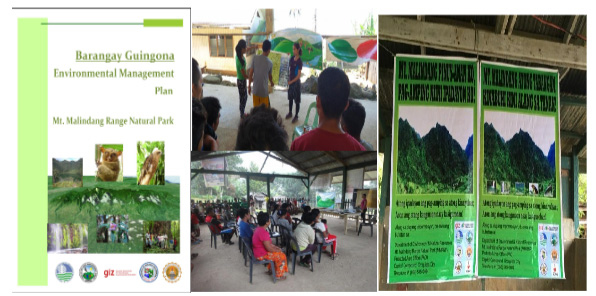
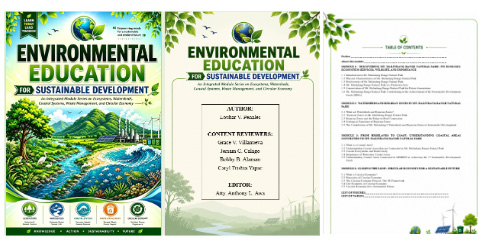
Misamis University provides environmental education and community-based learning opportunities that promote the sustainable management and conservation of freshwater ecosystems. Through the Mt. Malindang Biodiversity Protection Through Capability Building Project funded by the Deutsche Gesellschaft fÜr Internationale Zusammenarbeit (GIZ), Provincial Local Government of Misamis Occidental and DENR Mt. Malindang Range Natural Park (MMRNP) Protected Area Office (PAO), the University conducts environmental awareness activities through environmental classes to 65 barangays surrounds Mt. Malindang Range Natural Park (MMRNP), development of Barangay Environmental Management Plans & IEC materials for protection of watersheds & biodiversity conservation.
To sustain Misamis University’s contribution to Sustainable Development Goal 14 (Life Below Water), the University is developing educational modules that integrate environmental awareness and aquatic ecosystem conservation into the curriculum and learning activities across the University community. One of the proposed modules, “Ridge to River to Reef,” aims to deepen students’ understanding of the interconnectedness of terrestrial, freshwater, coastal, and marine ecosystems.
The module will familiarize students with local environmental conditions, issues, events, natural resources, and conservation initiatives in the Mt. Malindang Range Natural Park and other protected areas within Misamis Occidental. It will highlight how activities in upland forests and watersheds influence river systems and coastal and marine environments, emphasizing the importance of biodiversity conservation, responsible resource use, pollution prevention, and sustainable ecosystem management.
Through this initiative, Misamis University seeks to strengthen environmental literacy, encourage responsible environmental behavior, and empower students to participate actively in protecting the province’s natural heritage. By integrating local environmental knowledge into education, the University aims to foster a culture of sustainability and reinforce its contribution to SDG 14 and the broader goals of environmental conservation.
The University also undertakes research initiatives in the Labo and Clarin River watersheds. These activities generate scientific knowledge and support environmental education for community members, local government units, people's organizations, and students. Research topics includes: Reptilian Diversity in Clarin River, Misamis Occidental, Philippines; Effects of Anthropogenic Activities on Physicochemical Characteristics and Macroinvertebrate Distribution in Riverine System of Misamis Occidental; Macroinvertebrates as Bioindicators of Water Quality in Labo and Clarin Rivers, Misamis Occidental, Philippines; Odonata Fauna in Different Types of Vegetation in Ozamiz City, Philippines; Species Richness and Endemism of Amphibians along the Riparian System of Clarin River, Misamis Occidental, Philippines; and Diversity of Ferns Along the Riparian Zone of Segatic Diot River, Clarin, Misamis Occidental.
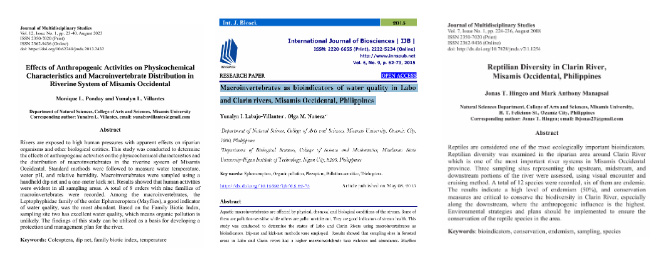
These studies contribute to understanding freshwater biodiversity, riverine ecosystem health, riparian habitats, and the effects of human activities on aquatic environments. Through research dissemination and colloquia presentations, the University helps translate scientific findings into practical knowledge that can inform local environmental management and conservation efforts. In collaboration with government agencies, local government units, and community organizations, Misamis University further supports capacity-building activities related to environmental conservation, integrated watershed management, and responsible water stewardship. These initiatives encourage communities to recognize the importance of freshwater ecosystems in sustaining biodiversity, supporting livelihoods, and maintaining water resources for present and future generations.
Strengthening Sustainable Fisheries, Coastal Resource Management, and Responsible Tourism
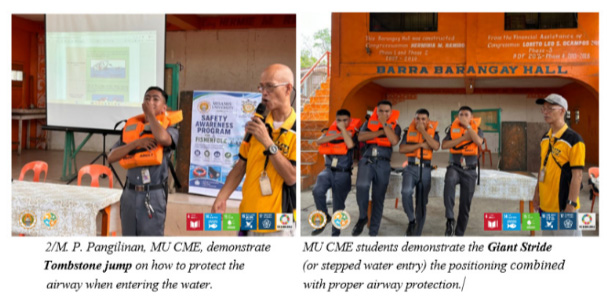
Misamis University extends its environmental education and community engagement efforts to coastal and marine ecosystems through initiatives such as the Coastal Resources Regeneration and Alternative Livelihood Program (CoRRAL) in Barra, Tudela, Misamis Occidental. Through this program, the University promotes marine pollution prevention, coastal vegetation conservation, proper waste management, sanitation improvement, and safety awareness among fisherfolk. In addition, the Ozamiz City Coastal Resource Assessment (OCCRA) conducted comprehensive assessments of mangrove, seagrass, and coral reef ecosystems, complemented by focus group discussions on coastal and marine resource conditions. Assessment findings were presented to partners and stakeholders to support evidence-based conservation planning and broader dissemination of information on the city's coastal and marine resources.
Misamis University further strengthens its commitment to coastal and marine ecosystem conservation through active participation in multi-stakeholder environmental governance and management initiatives. As a member of the Iligan Bay Alliance of Misamis Occidental (IBAMO) and the Protected Area Management Boards (PAMB) of the Baliangao Protected Landscape and Seascape (BPLS) and the Bagumbang-Malaubang Mangrove Forest Reserve (BMMFR), the University contributes to collaborative planning, policy development, capacity- building activities, and community-based environmental management efforts.
The University also plays a key role in conservation education and public awareness. Through its leadership in developing Communication, Education, and Public Awareness (CEPA) materials for BPLS, Misamis University supports information dissemination, environmental advocacy, and stakeholder engagement initiatives that promote responsible stewardship of coastal and marine resources.
Through these programs and partnerships, the University provides educational and technical support on sustainable fisheries management, marine protected area governance, mangrove conservation, coastal resource assessment, biodiversity protection, and ecosystem-based management. These initiatives enhance public understanding of the vital linkages among healthy marine ecosystems, sustainable livelihoods, food security, and biodiversity conservation.
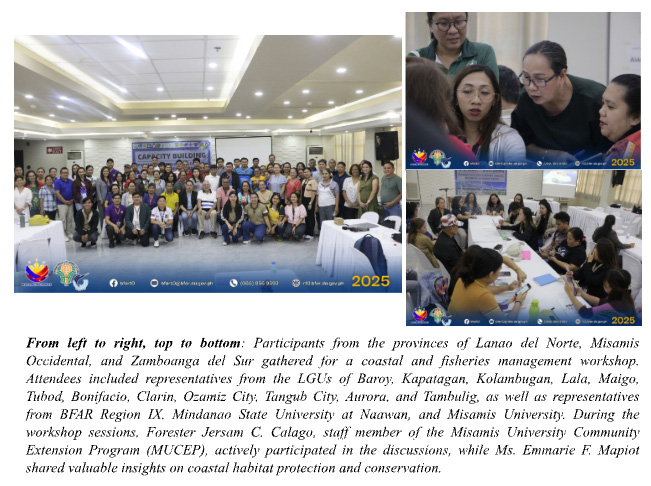
In addition, Misamis University actively participates in regional coastal resource management initiatives, including the revitalization of the Panguil Bay Development Council (PBDC) led by the Bureau of Fisheries and Aquatic Resources Regional Office 10 (BFAR-10). As part of the Council’s reactivation efforts, the University joined technical workshops involving local government units, academic institutions, and other stakeholders from the provinces surrounding Panguil Bay. These collaborative activities support the formulation of updated bay-wide development and management strategies while strengthening local capacities in accordance with the provisions of the Local Government Code of 1991 (RA 7160) and the Philippine Fisheries Code of 1998 (RA 8550), as amended by RA 10654. Through its engagement in these initiatives, the University contributes scientific expertise and promotes inter-local cooperation for the sustainable management and protection of marine and coastal resources.
Furthermore, Misamis University advances community-based marine conservation through research and extension initiatives funded by the Department of Science and Technology–Philippine Council for Agriculture, Aquatic and Natural Resources Research and Development (DOST-PCAARRD). Through a project implemented by the Misamis University Research Center in partnership with the Municipality of Tukuran, local communities are empowered to participate in the sustainable management and protection of marine resources.
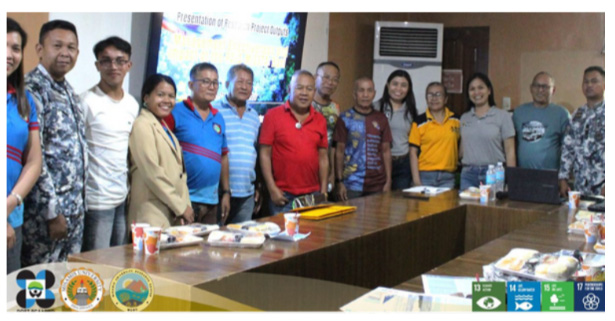
On March 17–18, 2026, the project team conducted a two-day dissemination and awareness campaign that brought together municipal officials, barangay leaders, fisherfolk, and other community stakeholders. The activity served as a platform for sharing scientific findings and From left to right, top to bottom: Participants from the provinces of Lanao del Norte, Misamis Occidental, and Zamboanga del Sur gathered for a coastal and fisheries management workshop. Attendees included representatives from the LGUs of Baroy, Kapatagan, Kolambugan, Lala, Maigo, Tubod, Bonifacio, Clarin, Ozamiz City, Tangub City, Aurora, and Tambulig, as well as representatives from BFAR Region IX, Mindanao State University at Naawan, and Misamis University. During the workshop sessions, Forester Jersam C. Calago, staff member of the Misamis University Community Extension Program (MUCEP), actively participated in the discussions, while Ms. Emmarie F. Mapiot shared valuable insights on coastal habitat protection and conservation. strengthening public awareness on marine biodiversity conservation and responsible resource management.
A key highlight of the event was the presentation of the study, “Management Effectiveness and Impact of the PALS-MISSTA Marine Protected Area (MPA): Basis for Management Enhancement and Policy Recommendations.” Findings confirmed the presence of healthy coral reef ecosystems, thriving mangrove forests, and diverse marine life within the protected area, demonstrating the effectiveness of existing conservation measures. The research also identified management challenges and provided science-based recommendations to enhance governance, strengthen protection efforts, and ensure the long-term sustainability of the marine protected area.
Through these initiatives, Misamis University contributes to evidence-based decision-making, stakeholder capacity development, and community participation in marine conservation, fostering greater appreciation of the role of healthy coastal and marine ecosystems in sustaining biodiversity, fisheries productivity, and local livelihoods.
Raising Awareness of Overfishing and Destructive Fishing Practices
Misamis University recognizes the importance of community awareness and participation in addressing threats to aquatic ecosystems, particularly overfishing, illegal, unreported and unregulated fishing, and destructive fishing practices. Through its Coastal Resources Regeneration & Alternative Livelihood (CoRRAL) program, & DOST–PCAARRD project on Management Effectiveness and Impact of Locally Managed MPAs in the Zamboanga Peninsula project, the University conducts environmental education, community engagement, stakeholder consultations, and research dissemination activities that highlight the ecological and socioeconomic consequences of unsustainable fishing.
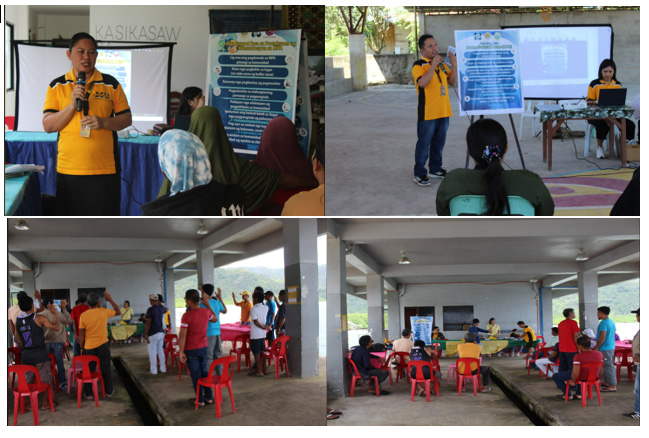
Working with coastal communities, fisherfolk organizations, local government units, protected area management boards, and partner agencies, the University promotes understanding of responsible fishing practices, marine biodiversity conservation, and compliance with applicable fisheries and environmental regulations. These educational initiatives emphasize the importance of protecting fish habitats, mangrove ecosystems, marine protected areas, and other critical coastal resources that sustain fisheries and support community livelihoods.
Research and coastal resource assessment activities further contribute to the scientific understanding needed to inform conservation and management decisions. By sharing relevant findings and encouraging dialogue among stakeholders, the University supports informed community participation in protecting aquatic resources and promoting sustainable fisheries management. Through these educational and outreach efforts, Misamis University seeks to strengthen environmental responsibility among students, community members, and coastal resource users. The initiatives also highlight the importance of safeguarding marine resources for long-term food security, biodiversity conservation, and the well-being of coastal communities.
Contributing to SDG 14 through Education, Research, and Community Partnership
Misamis University's contribution to SDG 14 reflects the role of higher education institutions in connecting scientific research, environmental education, and community action. Its freshwater and coastal resource initiatives provide opportunities to develop environmental awareness, strengthen local capacities, and encourage collaborative approaches to aquatic ecosystem conservation. By supporting watershed and river conservation, promoting sustainable coastal resource management, and raising awareness of unsustainable fishing practices, the University contributes to the broader objectives of protecting aquatic biodiversity and encouraging responsible resource use. Continued collaboration with local communities, government agencies, and partner organizations can further strengthen these efforts and support evidence-based environmental management.
Through its commitment to education, research, and community engagement, Misamis University advances the principles of SDG 14 by helping communities build the knowledge, skills, and shared responsibility necessary to protect freshwater, coastal, and marine ecosystems for present and future generations.

Announcement

|
|
|
Photo Gallery
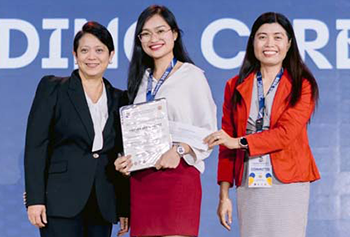 International Conference on Social Sciences 2026 |
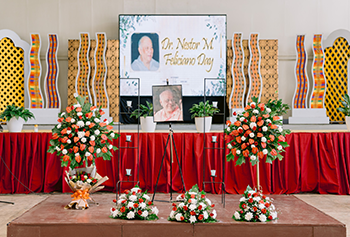 DR. NESTOR M. FELICIANO DAY |
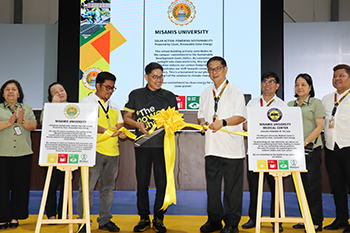 Turnover of solar energy management from WEGEN to MU |
Videos

|

|

|