

 27
Sustaining Community Health and Well-Being Through Meaningful Community Engagement: Misamis University Strengthens Its RAIN-SUN Program
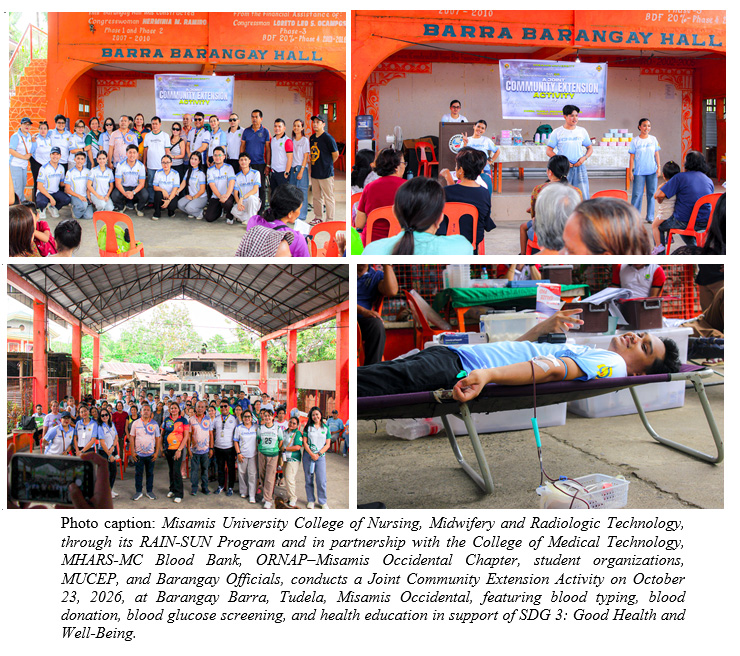
Tudela, Misamis Occidental, Philippines – Reinforcing its commitment to making healthcare accessible and promoting healthier communities, Misamis University, through its Community Extension Program (MUCEP), continues to bring meaningful health and wellness initiatives directly to communities. In line with its commitment to United Nations Sustainable Development Goal 3 (SDG 3): Good Health and Well-Being, the Misamis University College of Nursing, Midwifery and Radiologic Technology (MU-CNMRT) conducted a Joint Community Extension Activity on October 23, 2026, at Barangay Barra, Tudela, Misamis Occidental.
Anchored on the University’s commitment to community empowerment and sustainable health development, the activity was implemented under the Responsive Action for Integrated Nutrition–Sustainable and Unified Nutrition (RAIN-SUN) Program, a flagship community health initiative led by MU-CNMRT. The program aims to promote health awareness, encourage preventive healthcare practices, and strengthen community participation in maintaining health and well-being.
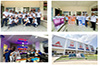
The joint outreach activity featured four essential health-related services: blood typing, a blood donation drive, blood glucose screening, and health education. These interventions were designed to provide community members with opportunities to understand their health conditions, become more informed about preventive healthcare, and participate in initiatives that support the well-being of others.
The activity was made possible through the collaborative efforts of various academic units, healthcare institutions, professional organizations, and student groups. The Misamis University College of Medical Technology, through its faculty members and students, facilitated the blood typing services, helping community members determine their blood types and recognize the importance of this information in medical emergencies and healthcare management.
Meanwhile, the Mayor Hilarion A. Ramiro Sr. Medical Center (MHARS-MC) Blood Bank of Ozamiz City spearheaded the blood donation drive, highlighting the importance of voluntary blood donation in ensuring an adequate and safe blood supply for patients in need. The initiative also provided an opportunity to promote a culture of generosity, civic responsibility, and solidarity in saving lives.
The Operating Room Nurses Association of the Philippines (ORNAP) – Misamis Occidental Chapter facilitated the blood glucose screening, encouraging early awareness and detection of potential blood sugar abnormalities. This preventive health intervention emphasized the importance of regular health monitoring and timely consultation to help prevent and manage diabetes and its complications.
Complementing these services, the Local Student Council (LSC) and Nightingale Student Circle (NSC) officers of MU-CNMRT led the health education component, which included discussions on dengue prevention. Through health information and community engagement, the student leaders emphasized practical measures such as eliminating mosquito breeding sites, maintaining environmental cleanliness, and adopting protective practices to reduce the risk of dengue transmission.
Leading the University’s participation in the activity were Dr. Sammy B. Taghoy, Dean of the College of Nursing, Midwifery and Radiologic Technology (CNMRT); Ms. Jersam C. Calago, representing the Misamis University Community Extension Program (MUCEP); Ms. Maebil Marie B. Go, CNMRT Community Extension Program Coordinator; Ms. Sheila Mae L. Manlegro, BSN Level 2 Coordinator; Ms. Arnielyn M. Elmedulan, BSN Level 3 Coordinator; and Dr. Grethel A. Gomez, Adviser of the Local Student Council (LSC) and Nightingale Student Circle (NSC). They were joined by selected CNMRT faculty members and nursing students, whose active involvement helped facilitate the delivery of the various health services and educational interventions. The initiative was further supported by the Barangay Officials of Barra, Tudela, Misamis Occidental, whose partnership and cooperation contributed significantly to the successful conduct of the community extension activity.
Beyond the provision of health services, the joint activity exemplifies the University's commitment to extending academic knowledge and professional expertise beyond the classroom and into communities where they can make a tangible difference. It also provides students with meaningful opportunities to develop their sense of social responsibility, community engagement, interprofessional collaboration, and service-oriented leadership.
The initiative directly supports SDG 3: Good Health and Well-Being, particularly through health promotion, disease prevention, early screening, access to essential health-related services, and strengthened community participation. Furthermore, the collaboration among the University, healthcare institutions, professional organizations, student leaders, and local government officials demonstrates the value of multisectoral partnerships in addressing community health needs.
Through MUCEP and the RAIN-SUN Program, Misamis University continues to demonstrate that its commitment to education extends beyond academic excellence. By bringing healthcare initiatives closer to the people and mobilizing its academic and institutional partners, the University remains steadfast in its mission of nurturing socially responsible professionals and empowering communities toward healthier, safer, and more sustainable lives.
For Misamis University, promoting good health and well-being is more than an institutional commitment – it is a continuing mission of service, compassion, and meaningful community transformation.

Announcement

|
|
|
Photo Gallery
 International Conference on Social Sciences 2026 |
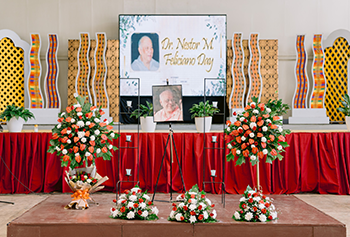 DR. NESTOR M. FELICIANO DAY |
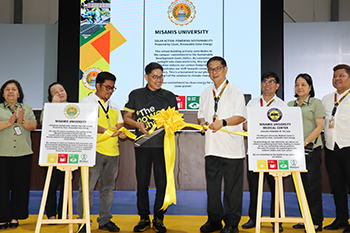 Turnover of solar energy management from WEGEN to MU |
Videos

|

|

|