

 29
Beyond the Classroom, Advancing Health for All: Misamis University Strengthens Healthcare Partnerships, Research, and International Collaboration in Support of SDG 3
OZAMIZ CITY, Misamis Occidental, Philippines – Advancing health and well-being requires more than academic instruction. It calls for strong institutional partnerships, meaningful clinical experiences, research-driven innovation, and collaborative initiatives that translate knowledge into responsive healthcare practices. Guided by this commitment, Misamis University continues to strengthen its contributions to healthcare education, research, and community health through its partnerships with local and national healthcare institutions, regional research networks, and international academic organizations.
Anchored on the United Nations Sustainable Development Goal 3 (SDG 3): Good Health and Well-Being, which seeks to ensure healthy lives and promote well-being for all, the University advances an integrated approach to health development. Through quality clinical education, collaborative health research, and international knowledge exchange, Misamis University prepares future healthcare professionals and contributes to building a competent workforce, strengthening healthcare systems, and promoting healthier and more resilient communities.
Strengthening Clinical Education through Local and National Healthcare Partnerships
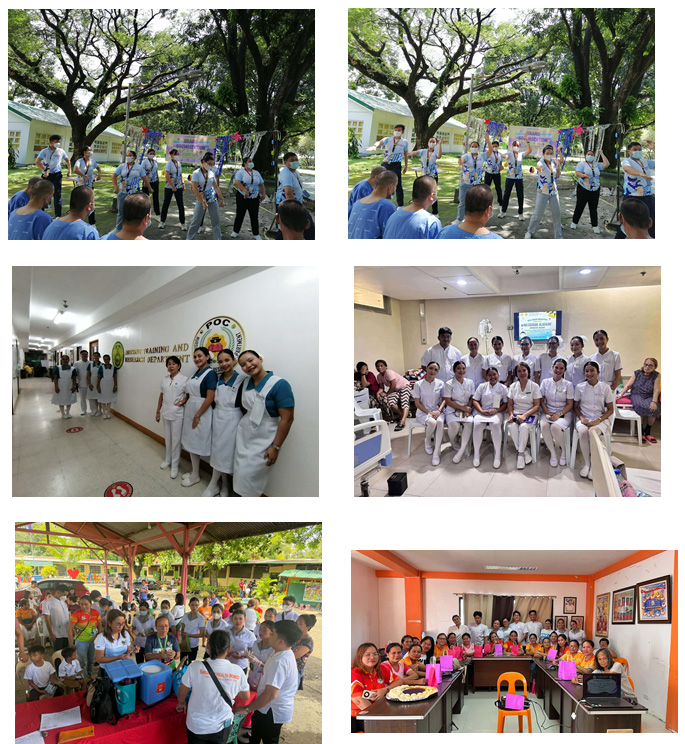
Recognizing that preparing competent healthcare professionals requires substantial exposure to actual healthcare settings, Misamis University continues to expand and sustain its clinical affiliations for students enrolled in the Bachelor of Science in Nursing, Bachelor of Science in Medical Technology, and Bachelor of Science in Radiologic Technology programs.
For Bachelor of Science in Nursing students, Related Learning Experiences (RLE) are facilitated through partnerships with established healthcare institutions across Misamis Occidental and neighboring provinces. These include Misamis University Medical Center (MUMC) in Ozamiz City, the University’s base hospital; Mayor Hilarion A. Ramiro Sr. Medical Center (MHARSMC) in Ozamiz City; Asenso Misamis Occidental Medical Center (AMOMC) in Oroquieta City; Asenso Misamis Occidental Second District Hospital (AMOSDH) in Tangub City; Lanao del Norte Provincial Hospital (LNPH); and the Local Government Unit of Ozamiz City through its City Health Office (LGU-CHO).
These partnerships provide nursing students with diverse clinical learning environments where they develop essential competencies in hospital-based nursing, community health nursing, patient assessment, health promotion, disease prevention, and holistic, patient-centered care. Similarly, BS Medical Technology and BS Radiologic Technology students benefit from clinical training opportunities at MUMC and MHARSMC, where they apply classroom concepts, enhance their technical competencies, and develop the professional discipline and ethical standards expected of future healthcare practitioners.
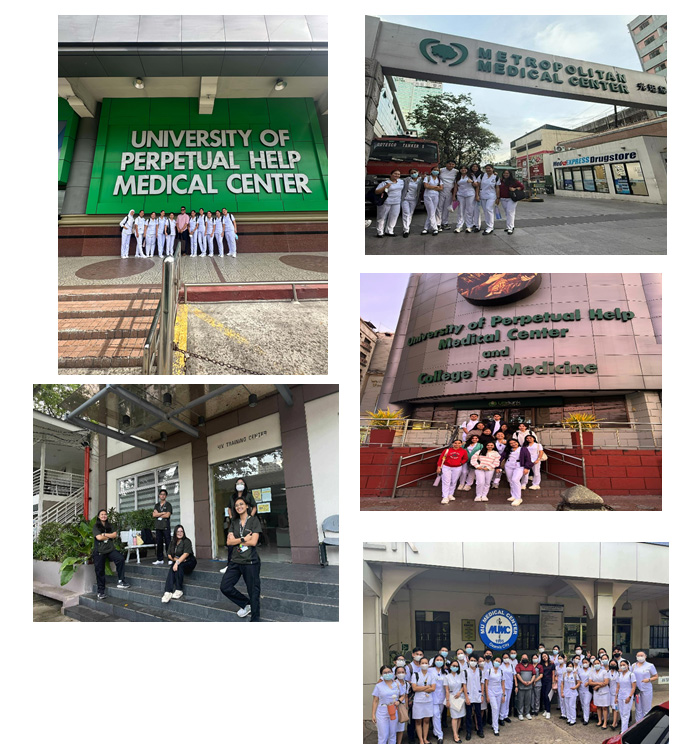
Further expanding these opportunities, the University maintains affiliations with specialized healthcare institutions in Metro Manila. BS Nursing students gain valuable clinical experience at the National Center for Mental Health (NCMH) in Mandaluyong City and the Philippine Orthopedic Center (POC) in Quezon City, broadening their exposure to specialized nursing practice, particularly in mental health and orthopedic care. Meanwhile, BS Medical Technology students undertake clinical internships at San Lazaro Hospital and Metropolitan Medical Center, as well as the University of Perpetual Help Dalta Medical Center-Las Piñas City, Metro Manila. These placements expose them to professional medical laboratory operations and diagnostic procedures essential to disease detection, diagnosis, monitoring, and treatment.
BS Radiologic Technology students, on the other hand, strengthen their clinical competencies through specialized training at Medical Center Manila, Inc. (ManilaMed) and the University of Perpetual Help Dalta Medical Center-Las Piñas City, Metro Manila. These experiences enhance their proficiency in diagnostic imaging, radiation safety, patient care, and the responsible application of radiologic technology in contemporary healthcare practice. Through these local and national partnerships, Misamis University ensures that its students gain relevant clinical experiences and develop the knowledge, skills, and professional values necessary to respond to the evolving healthcare needs of individuals, families, and communities.
Advancing Health Research and Innovation through Regional Collaboration
Complementing its commitment to quality education, Misamis University actively participates in regional initiatives that strengthen health research, innovation, and evidence-informed healthcare development. The University continues to strengthen its longstanding partnership with the Northern Mindanao Consortium for Health Research and Development (NorMinCoHRD), a regional health research network under the Department of Science and Technology Region X (DOST-X).
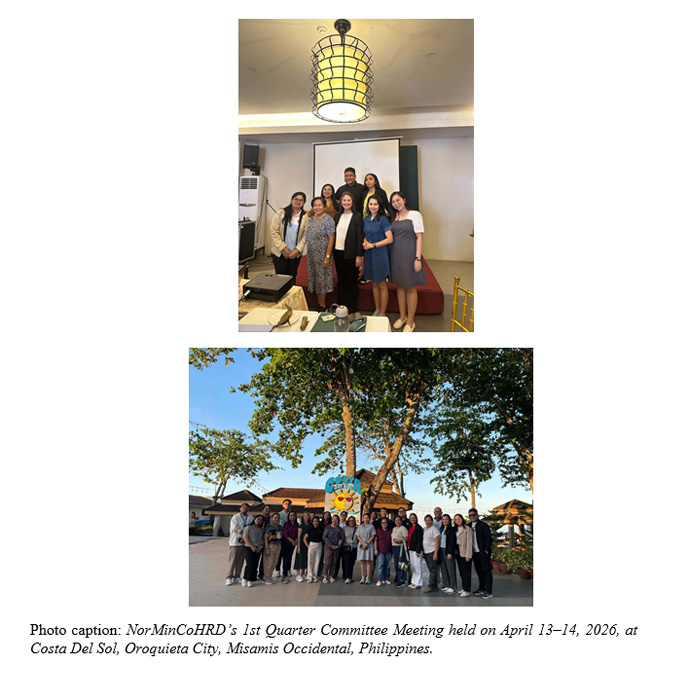
Through this collaboration, Misamis University engages in research initiatives, knowledge exchange, and capacity-building activities involving academic institutions and healthcare stakeholders. Its participation supports the generation, dissemination, and utilization of scientific evidence to address emerging and continuing health challenges in Northern Mindanao. Further demonstrating this institutional commitment, Dr. Sammy B. Taghoy, Dean of the College of Nursing, Midwifery and Radiologic Technology (CNMRT) and Alternate Member of the NorMinCoHRD Capacity Building Committee, together with Dr. Merasol O. Duyag, CNMRT Research Coordinator and Alternate Member of the NorMinCoHRD Research Management Committee, represented Misamis University at the 1st Quarter Committee Meeting held on April 13–14, 2026, at Costa Del Sol, Oroquieta City, Misamis Occidental, Philippines.
The University’s involvement in the consortium underscores the important role of higher education institutions in strengthening the regional health research ecosystem. Through collaborative research endeavors and evidence-informed approaches, Misamis University contributes to developing innovative healthcare strategies that can inform health policies, enhance professional practice, and improve health outcomes.
By fostering a culture of research and innovation, the University reinforces its commitment to advancing healthcare beyond the classroom and supporting sustainable health development in the region.
Promoting International Academic Exchange through Health Education and Collaboration
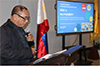
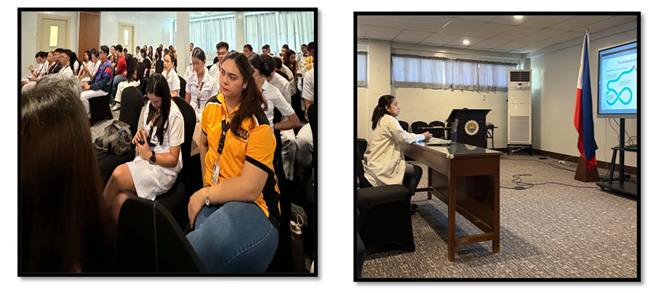
Extending its commitment to health education beyond national boundaries, Misamis University also promotes international academic collaboration through knowledge-sharing activities and partnerships with foreign educational institutions. One such initiative was the successful conduct of the Hybrid Seminar on Mass Blood Donation in the Philippine and Indonesian Contexts on September 25, 2026, from 10:00 a.m. to 12:00 noon (Philippine Time). Organized by the Misamis University College of Medical Technology in collaboration with the Akademi Bakti Kemanusiaan Palang Merah Indonesia, the seminar was held at the Misamis University’s Instructional Media Center, with participants from both institutions joining through face-to-face and online participation via Microsoft Teams.
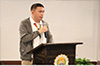
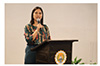
The academic engagement aimed to deepen participants’ understanding of mass blood donation practices and initiatives in the Philippines and Indonesia, highlighting the respective approaches, experiences, and contributions of both countries in ensuring an adequate, safe, and sustainable blood supply. The Philippine perspective was presented by Ruthie M. Balasabas, RMT, faculty member of the Misamis University College of Medical Technology, who discussed the country’s approaches and experiences in organizing and implementing mass blood donation initiatives. Complementing this presentation was a faculty representative from the Akademi Bakti Kemanusiaan Palang Merah Indonesia, who shared insights into blood donation practices in Indonesia.
The presentations provided comparative perspectives on the strategies, challenges, and opportunities associated with mass blood donation in both countries. An interactive discussion followed, allowing participants from the two institutions to exchange observations, reflect on shared experiences, and explore opportunities to strengthen blood donation advocacy and community engagement. Through this international academic exchange, participants gained a deeper appreciation of voluntary blood donation as a collective responsibility and an essential component of an effective healthcare system. The initiative also highlighted the importance of international partnerships in advancing health education, professional development, and the exchange of evidence-informed practices.
More importantly, the collaboration strengthened institutional ties between Misamis University and the Akademi Bakti Kemanusiaan Palang Merah Indonesia, opening opportunities for sustained cooperation and future academic initiatives that promote voluntary blood donation and improved community health outcomes.
A Unified Commitment to SDG 3: Building Healthier and More Resilient Communities
Taken together, these initiatives demonstrate Misamis University’s comprehensive and continuing commitment to advancing health and well-being through education, research, and collaboration. Its clinical affiliations provide students with opportunities to develop professional competencies and deliver quality patient care; its partnership with NorMinCoHRD strengthens research capacity and promotes evidence-based healthcare solutions; and its international collaboration fosters knowledge exchange and shared responsibility in addressing public health concerns.
These efforts directly contribute to the realization of SDG 3, particularly in strengthening health systems, developing a competent healthcare workforce, promoting disease prevention and early diagnosis, supporting health research and innovation, and encouraging collaborative approaches to improving community health
As Misamis University continues to strengthen its partnerships with healthcare institutions, research organizations, and international academic collaborators, it remains steadfast in its mission of producing graduates who are not only technically competent but also compassionate, ethical, research-oriented, and committed to service. Ultimately, Misamis University’s commitment goes beyond educating future healthcare professionals. By integrating quality clinical education, research and innovation, and meaningful institutional collaboration, the University actively participates in shaping a more responsive, inclusive, and resilient healthcare system – advancing its vision of healthier individuals, stronger communities, and better health outcomes for all.

Announcement
|
|
|
Photo Gallery
 International Conference on Social Sciences 2026 |
 DR. NESTOR M. FELICIANO DAY |
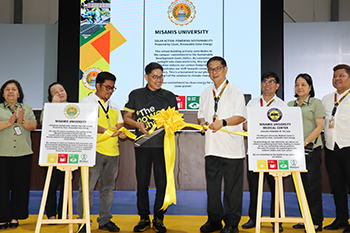 Turnover of solar energy management from WEGEN to MU |
Videos

|

|

|